Buy istitutoaltierospinelli.eu ?
We are moving the project
istitutoaltierospinelli.eu .
Are you interested in purchasing the domain
istitutoaltierospinelli.eu ?
domain@kv-gmbh.de · 0541-91531010
Buy istitutoaltierospinelli.eu ?
What are soft skills?
Soft skills are personal attributes and qualities that enable individuals to effectively interact with others and navigate various social situations. These skills are often related to emotional intelligence, communication, teamwork, adaptability, problem-solving, and leadership. Soft skills are essential in the workplace as they complement technical skills and help individuals build strong relationships, collaborate effectively, and succeed in their careers. **
What are hard skills and soft skills?
Hard skills are specific, teachable abilities or knowledge that can be easily quantified, such as technical skills like coding, data analysis, or foreign language proficiency. Soft skills, on the other hand, are more subjective and harder to quantify, focusing on interpersonal skills like communication, teamwork, problem-solving, and emotional intelligence. While hard skills are essential for performing specific tasks, soft skills are crucial for effectively working with others and navigating complex social situations in the workplace. Both types of skills are important for success in any job. **


Similar search terms for Market-Central-Soft-Rope
Top-Angebote
Products related to Market-Central-Soft-Rope:
-
Market Central Professional Speed Jump Rope Lightweight Fitness Training Rope For Sports And Gym greenBoost your workouts and build better coordination with a lightweight skipping rope designed for speed, control, and everyday training. This jump rope features an 88G lightweight design that helps students, athletes, and fitness enthusiasts improve...29,97 $*Shipping: 0,00 $Secure redirect to the provider
-
Market Central Adjustable Rainbow Jump Rope Tangle Free Fitness Skipping Rope For Home Workout Training cyanFeel energized and confident with every jump using this colorful adjustable rope designed to make workouts simple, fun, and effective. This adjustable jump rope helps beginners and fitness enthusiasts improve coordination, endurance, and daily...34,97 $*Shipping: 0,00 $Secure redirect to the provider
-
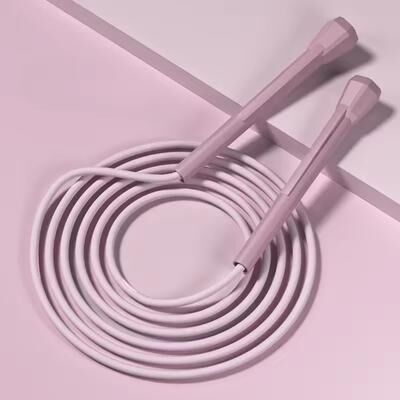
Market Central Adjustable Bamboo Stem Jump Rope With Soft Beads For Fitness Training And Beginners pinkMake every workout more enjoyable with a smooth, tanglefree jump rope designed to help you build speed, coordination, and confidence. This jump rope features a soft beaded design with adjustable length, making it comfortable for beginners, fitness...41,97 $*Shipping: 0,00 $Secure redirect to the provider
-
Market Central Adjustable Bamboo Stem Jump Rope With Soft Beads For Fitness Training And Beginners purpleMake every workout more enjoyable with a smooth, tanglefree jump rope designed to help you build speed, coordination, and confidence. This jump rope features a soft beaded design with adjustable length, making it comfortable for beginners, fitness...41,97 $*Shipping: 0,00 $Secure redirect to the provider




-
Why are soft skills considered as success factors in the workplace? Can soft skills be learned in school? Are soft skills taught in school?
Soft skills are considered success factors in the workplace because they are essential for effective communication, teamwork, problem-solving, and leadership. These skills are crucial for building strong relationships with colleagues and clients, managing conflicts, and adapting to change. While technical skills are important, it is the soft skills that often determine an individual's success in their career. Soft skills can be learned in school through various activities such as group projects, presentations, and extracurricular activities. Schools can also incorporate specific soft skills training programs into their curriculum to help students develop these important skills. However, the extent to which soft skills are taught in school varies, and there is often a greater emphasis on academic and technical skills. **
-
What is rope friction and rope force?
Rope friction is the resistance encountered when a rope slides over a surface or through a system of pulleys. It is caused by the interaction between the rope and the surface it is in contact with, which can reduce the efficiency of the system. Rope force, on the other hand, is the tension or force exerted on a rope when it is being pulled or supporting a load. It is important to consider both rope friction and rope force when designing systems involving ropes to ensure safety and efficiency. **
-
Instead of hard skills, soft skills are taught in school.
If schools were to focus on teaching soft skills instead of hard skills, students would be better prepared for the real world. Soft skills such as communication, teamwork, problem-solving, and adaptability are essential for success in any career. By emphasizing these skills, students would be better equipped to navigate the complexities of the modern workplace and build strong relationships with colleagues and clients. Additionally, teaching soft skills can also help students develop emotional intelligence and resilience, which are crucial for personal and professional growth. **
-
How does market control work in vocational education and training?
Market control in vocational education and training refers to the influence that employers, industry associations, and government bodies have on shaping the curriculum and training programs offered by vocational institutions. Employers play a key role in determining the skills and knowledge that are in demand in the labor market, which in turn influences the types of courses and training programs that vocational institutions offer. Industry associations also provide input on the skills and competencies needed in specific sectors, helping to align training programs with industry needs. Government bodies may regulate and oversee the quality of vocational education and training providers, ensuring that they meet certain standards and requirements set by the government. Overall, market control in vocational education and training helps to ensure that graduates are equipped with the skills and knowledge that are relevant and in demand in the labor market. **

How does market regulation work in vocational education and training?
Market regulation in vocational education and training typically involves government oversight to ensure quality standards are met and maintained. This can include setting minimum requirements for program accreditation, instructor qualifications, and student outcomes. Additionally, market regulation may involve monitoring and enforcing compliance with these standards through inspections, audits, and penalties for non-compliance. The goal of market regulation in vocational education and training is to protect students, employers, and the overall integrity of the education and training system. **
What is the difference between the central bank interest rate and the market interest rate?
The central bank interest rate, also known as the policy rate, is set by the central bank to influence the overall economy. It is the rate at which commercial banks can borrow money from the central bank. On the other hand, the market interest rate is determined by the supply and demand for credit in the financial markets. It is the rate at which individuals and businesses can borrow money from commercial banks or other financial institutions. The central bank interest rate serves as a benchmark for the market interest rate, but the market interest rate can fluctuate based on various factors such as inflation, economic conditions, and risk. **
Top-Angebote
Products related to Market-Central-Soft-Rope:
-
Market Central Super Elastic Jump Rope Adjustable Fitness Rope For Indoor Outdoor Training 7mTurn everyday movement into an exciting fitness experience with a rope designed for fun, endurance, and active play. This super elastic jump rope provides a smooth, adjustable design that works for kids, teens, and adults during workouts or group...29,97 $*Shipping: 0,00 $Secure redirect to the provider
-
Market Central Adjustable Bamboo Stem Jump Rope With Soft Beads For Fitness Training And Beginners greenMake every workout more enjoyable with a smooth, tanglefree jump rope designed to help you build speed, coordination, and confidence. This jump rope features a soft beaded design with adjustable length, making it comfortable for beginners, fitness...41,97 $*Shipping: 0,00 $Secure redirect to the provider
-
Market Central Professional Speed Jump Rope Lightweight Fitness Training Rope For Sports And Gym greenBoost your workouts and build better coordination with a lightweight skipping rope designed for speed, control, and everyday training. This jump rope features an 88G lightweight design that helps students, athletes, and fitness enthusiasts improve...29,97 $*Shipping: 0,00 $Secure redirect to the provider
-
Market Central Adjustable Rainbow Jump Rope Tangle Free Fitness Skipping Rope For Home Workout Training cyanFeel energized and confident with every jump using this colorful adjustable rope designed to make workouts simple, fun, and effective. This adjustable jump rope helps beginners and fitness enthusiasts improve coordination, endurance, and daily...34,97 $*Shipping: 0,00 $Secure redirect to the provider
-
What are soft skills?
Soft skills are personal attributes and qualities that enable individuals to effectively interact with others and navigate various social situations. These skills are often related to emotional intelligence, communication, teamwork, adaptability, problem-solving, and leadership. Soft skills are essential in the workplace as they complement technical skills and help individuals build strong relationships, collaborate effectively, and succeed in their careers. **
-
What are hard skills and soft skills?
Hard skills are specific, teachable abilities or knowledge that can be easily quantified, such as technical skills like coding, data analysis, or foreign language proficiency. Soft skills, on the other hand, are more subjective and harder to quantify, focusing on interpersonal skills like communication, teamwork, problem-solving, and emotional intelligence. While hard skills are essential for performing specific tasks, soft skills are crucial for effectively working with others and navigating complex social situations in the workplace. Both types of skills are important for success in any job. **
-
Why are soft skills considered as success factors in the workplace? Can soft skills be learned in school? Are soft skills taught in school?
Soft skills are considered success factors in the workplace because they are essential for effective communication, teamwork, problem-solving, and leadership. These skills are crucial for building strong relationships with colleagues and clients, managing conflicts, and adapting to change. While technical skills are important, it is the soft skills that often determine an individual's success in their career. Soft skills can be learned in school through various activities such as group projects, presentations, and extracurricular activities. Schools can also incorporate specific soft skills training programs into their curriculum to help students develop these important skills. However, the extent to which soft skills are taught in school varies, and there is often a greater emphasis on academic and technical skills. **
-
What is rope friction and rope force?
Rope friction is the resistance encountered when a rope slides over a surface or through a system of pulleys. It is caused by the interaction between the rope and the surface it is in contact with, which can reduce the efficiency of the system. Rope force, on the other hand, is the tension or force exerted on a rope when it is being pulled or supporting a load. It is important to consider both rope friction and rope force when designing systems involving ropes to ensure safety and efficiency. **
Similar search terms for Market-Central-Soft-Rope
-
Market Central Adjustable Bamboo Stem Jump Rope With Soft Beads For Fitness Training And Beginners pinkMake every workout more enjoyable with a smooth, tanglefree jump rope designed to help you build speed, coordination, and confidence. This jump rope features a soft beaded design with adjustable length, making it comfortable for beginners, fitness...41,97 $*Shipping: 0,00 $Secure redirect to the provider
-
Market Central Adjustable Bamboo Stem Jump Rope With Soft Beads For Fitness Training And Beginners purpleMake every workout more enjoyable with a smooth, tanglefree jump rope designed to help you build speed, coordination, and confidence. This jump rope features a soft beaded design with adjustable length, making it comfortable for beginners, fitness...41,97 $*Shipping: 0,00 $Secure redirect to the provider
-
Market Central Adjustable Bamboo Stem Jump Rope With Soft Beads For Fitness Training And Beginners blueMake every workout more enjoyable with a smooth, tanglefree jump rope designed to help you build speed, coordination, and confidence. This jump rope features a soft beaded design with adjustable length, making it comfortable for beginners, fitness...41,97 $*Shipping: 0,00 $Secure redirect to the provider
-
Market Central Professional Speed Jump Rope Lightweight Fitness Training Rope For Sports And Gym purpleBoost your workouts and build better coordination with a lightweight skipping rope designed for speed, control, and everyday training. This jump rope features an 88G lightweight design that helps students, athletes, and fitness enthusiasts improve...29,97 $*Shipping: 0,00 $Secure redirect to the provider
-
Instead of hard skills, soft skills are taught in school.
If schools were to focus on teaching soft skills instead of hard skills, students would be better prepared for the real world. Soft skills such as communication, teamwork, problem-solving, and adaptability are essential for success in any career. By emphasizing these skills, students would be better equipped to navigate the complexities of the modern workplace and build strong relationships with colleagues and clients. Additionally, teaching soft skills can also help students develop emotional intelligence and resilience, which are crucial for personal and professional growth. **
-
How does market control work in vocational education and training?
Market control in vocational education and training refers to the influence that employers, industry associations, and government bodies have on shaping the curriculum and training programs offered by vocational institutions. Employers play a key role in determining the skills and knowledge that are in demand in the labor market, which in turn influences the types of courses and training programs that vocational institutions offer. Industry associations also provide input on the skills and competencies needed in specific sectors, helping to align training programs with industry needs. Government bodies may regulate and oversee the quality of vocational education and training providers, ensuring that they meet certain standards and requirements set by the government. Overall, market control in vocational education and training helps to ensure that graduates are equipped with the skills and knowledge that are relevant and in demand in the labor market. **
-
How does market regulation work in vocational education and training?
Market regulation in vocational education and training typically involves government oversight to ensure quality standards are met and maintained. This can include setting minimum requirements for program accreditation, instructor qualifications, and student outcomes. Additionally, market regulation may involve monitoring and enforcing compliance with these standards through inspections, audits, and penalties for non-compliance. The goal of market regulation in vocational education and training is to protect students, employers, and the overall integrity of the education and training system. **
-
What is the difference between the central bank interest rate and the market interest rate?
The central bank interest rate, also known as the policy rate, is set by the central bank to influence the overall economy. It is the rate at which commercial banks can borrow money from the central bank. On the other hand, the market interest rate is determined by the supply and demand for credit in the financial markets. It is the rate at which individuals and businesses can borrow money from commercial banks or other financial institutions. The central bank interest rate serves as a benchmark for the market interest rate, but the market interest rate can fluctuate based on various factors such as inflation, economic conditions, and risk. **
* All prices are inclusive of VAT and, if applicable, plus shipping costs. The offer information is based on the details provided by the respective shop and is updated through automated processes. Real-time updates do not occur, so deviations can occur in individual cases. ** Note: Parts of this content were created by AI.