Buy istitutoaltierospinelli.eu ?
We are moving the project
istitutoaltierospinelli.eu .
Are you interested in purchasing the domain
istitutoaltierospinelli.eu ?
domain@kv-gmbh.de · 0541-91531010
Buy istitutoaltierospinelli.eu ?
What exactly do amylase and amylose mean?
Amylase is an enzyme that breaks down starches into sugars by catalyzing the hydrolysis of starch molecules. It is produced in the pancreas and salivary glands and plays a crucial role in the digestion of carbohydrates. Amylose, on the other hand, is a type of polysaccharide that is one of the two components of starch, along with amylopectin. It is a long, linear chain of glucose molecules that forms a helical structure and serves as a storage form of energy in plants. **
What is the difference between amylose and amylopectin?
Amylose and amylopectin are both components of starch, but they have different structures and properties. Amylose is a linear chain of glucose molecules linked together by alpha-1,4 glycosidic bonds, while amylopectin is a branched chain of glucose molecules with alpha-1,4 glycosidic bonds in the main chain and alpha-1,6 glycosidic bonds at the branch points. This branching gives amylopectin a more complex and highly branched structure compared to the linear structure of amylose. As a result, amylose is more resistant to digestion and forms a more stable gel, while amylopectin is more readily digested and contributes to the viscosity of starch. **
Similar search terms for Amylose
Top-Angebote
Products related to Amylose:
-
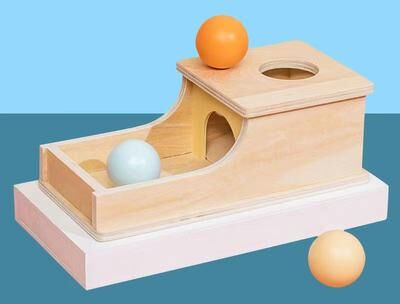
Tiny Tots Teens Trends Drawer Game Early Education Montessori Wooden Pitch Ball Box Preschool Learning Training Toy Drawer Game Early Education Montessori Wooden Pitch Ball Box Preschool Learning Training ToyThis Montessori Wooden Pitch Ball Box Drawer Game is a thoughtfully designed earlyeducation toy that transforms playtime into purposeful learning. Crafted for toddlers and preschoolers, it offers a handson, engaging way to support key developmental...39,97 $*Shipping: 0,00 $Secure redirect to the provider
-
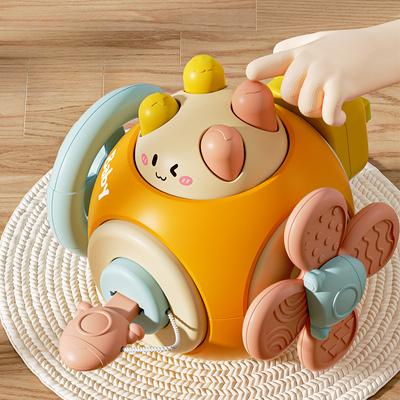
Tiny Tots Teens Trends Montessori Baby Training, Infant Puzzle Early Education Toys, Busy Hand Grasping Ball For Baby Montessori Baby Training, Infant Puzzle Early Education Toys, Busy Hand Grasping Ball For BabyIntroduce Your Baby to the World of Learning The Infant Puzzle Early Education Toys are designed to foster cognitive and physical development in your little one. This Multifunctional Busy Ball for Montessori Baby Training is ideal for enhancing...79,97 $*Shipping: 0,00 $Secure redirect to the provider
-
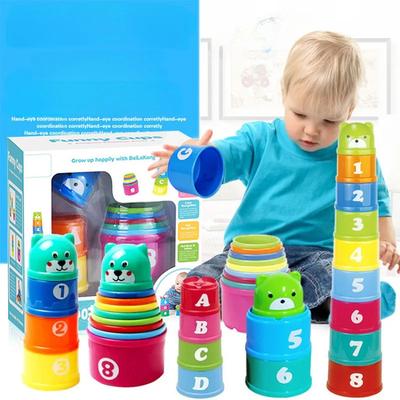
Modern Mode Marketplace Brain Response Battle Cup Set Fun Baby Stack Game For Early Education, Speed And HandEye Coordination Training Brain Response Battle Cup Set Fun Baby Stack Game For Early Education, Speed And HandEye Coordination TrainingUnlock your child's potential with the Brain Response Battle Cup Set! Perfect for young learners, this exciting game combines fun and education to develop handeye coordination and response speed. Ideal for babies and toddlers, it helps improve...29,97 $*Shipping: 0,00 $Secure redirect to the provider
-
How can amylose and amylopectin be chemically separated?
Amylose and amylopectin can be chemically separated through a process called gel permeation chromatography. In this process, a mixture of amylose and amylopectin is dissolved in a suitable solvent and then passed through a column filled with porous beads. The smaller amylose molecules are able to penetrate the pores of the beads and take longer to elute from the column, while the larger amylopectin molecules are unable to enter the pores and elute more quickly. This results in the separation of amylose and amylopectin based on their molecular size. **
-
What are the main differences between amylose and amylopectin?
Amylose and amylopectin are both components of starch, but they have distinct structural differences. Amylose is a linear polymer made up of glucose units linked by alpha-1,4 glycosidic bonds, while amylopectin is a branched polymer with additional alpha-1,6 glycosidic bonds forming branch points. Amylose is a straight chain molecule, while amylopectin is highly branched, giving it a more complex and compact structure. Amylose is typically more resistant to digestion compared to amylopectin due to its linear structure. **
-
Why is amylopectin not water-soluble, but amylose is?
Amylopectin is not water-soluble because it is a highly branched molecule with many side chains, which makes it difficult for water molecules to penetrate and break apart the structure. On the other hand, amylose is water-soluble because it is a linear molecule with fewer side chains, allowing water molecules to easily interact with and disrupt the bonds between the glucose units. This difference in structure and branching of the two molecules is the reason for their differing solubility in water. **
-
How can the carbohydrates galactose, sucrose, and amylose be experimentally detected?
Galactose can be detected using the enzyme galactose oxidase, which converts galactose to galactonolactone, producing hydrogen peroxide in the process. The hydrogen peroxide can then be detected using a colorimetric assay. Sucrose can be detected using the enzyme invertase, which hydrolyzes sucrose into glucose and fructose. The presence of glucose and fructose can then be detected using specific enzymatic assays. Amylose can be detected using iodine, which forms a blue complex with amylose. This can be observed visually or quantified using spectrophotometry. **
Is the statement "Amylose is hydrolyzed by the enzyme amylase into D-glucose" chemically correct?
Yes, the statement is chemically correct. Amylose is a polysaccharide composed of glucose units linked together by alpha-1,4 glycosidic bonds. Amylase is an enzyme that catalyzes the hydrolysis of these glycosidic bonds, breaking down amylose into individual D-glucose molecules. This process is a key step in the digestion of starch in the human body. **
Why does the solution turn blue when adding an iodine-potassium iodide solution to an amylose solution?
When iodine-potassium iodide solution is added to an amylose solution, the iodine molecules interact with the helical structure of amylose through a process called iodine complexation. This complexation causes a shift in the energy levels of the iodine molecules, resulting in the absorption of light in the visible spectrum. This absorption of light in the visible spectrum gives the solution a blue color. **
Top-Angebote
Products related to Amylose:
-
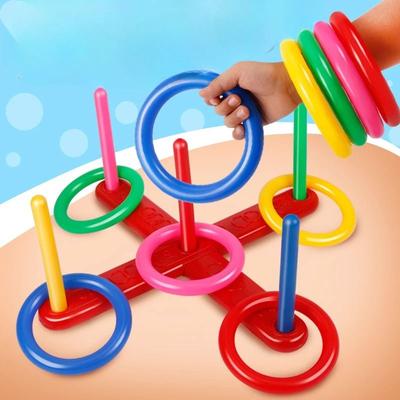
Uplifted Finds Interactive Ring Toss Training System Professional Early Education & Pediatric Fitness Infrastructure Interactive Ring Toss Training System Professional Early Education & Pediatric Fitness InfrastructureCommand ultimate developmental confidence with the Interactive Ring Toss Training System, a highperformance educational solution specifically engineered to act as a comprehensive tool for elite organization and superior technical ergonomics. Built...52,97 $*Shipping: 0,00 $Secure redirect to the provider
-
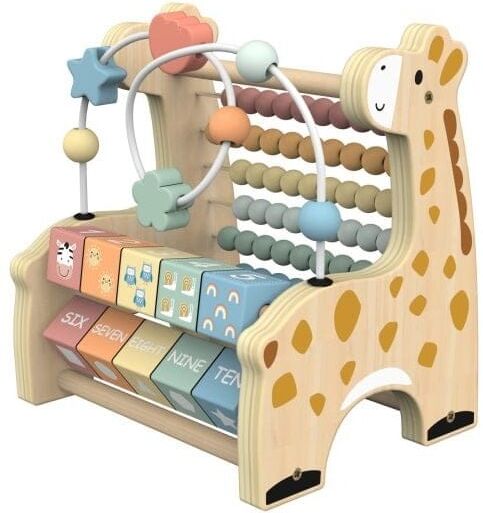
Tooky Toys Wooden Learning Giraffe - Early Education Toy for Babies - Develops Problem-Solving Skills and Hand-Eye CoordinationThe Learning Giraffe is a delightful way for little ones to discover numbers, counting, and colors. Made from smooth, durable wood, this giraffe-shaped learning board combines early education with playful charm. Kids can engage in hands-on activities, such as sliding and stacking numbers, to make math feel approachable and fun. The sturdy, natural materials help develop problem-solving skills and hand-eye coordination. The Learning Giraffe is a gentle guide into the world of numbers, perfect for practicing simple sums and exploring colorful blocks. Tooky Toys has crafted a product that brings the classroom into the playroom in a fun and imaginative way.19,19 £*Shipping: 3,95 £Secure redirect to the provider
-
Tiny Tots Teens Trends Drawer Game Early Education Montessori Wooden Pitch Ball Box Preschool Learning Training Toy Drawer Game Early Education Montessori Wooden Pitch Ball Box Preschool Learning Training ToyThis Montessori Wooden Pitch Ball Box Drawer Game is a thoughtfully designed earlyeducation toy that transforms playtime into purposeful learning. Crafted for toddlers and preschoolers, it offers a handson, engaging way to support key developmental...39,97 $*Shipping: 0,00 $Secure redirect to the provider
-
Tiny Tots Teens Trends Montessori Baby Training, Infant Puzzle Early Education Toys, Busy Hand Grasping Ball For Baby Montessori Baby Training, Infant Puzzle Early Education Toys, Busy Hand Grasping Ball For BabyIntroduce Your Baby to the World of Learning The Infant Puzzle Early Education Toys are designed to foster cognitive and physical development in your little one. This Multifunctional Busy Ball for Montessori Baby Training is ideal for enhancing...79,97 $*Shipping: 0,00 $Secure redirect to the provider
-
What exactly do amylase and amylose mean?
Amylase is an enzyme that breaks down starches into sugars by catalyzing the hydrolysis of starch molecules. It is produced in the pancreas and salivary glands and plays a crucial role in the digestion of carbohydrates. Amylose, on the other hand, is a type of polysaccharide that is one of the two components of starch, along with amylopectin. It is a long, linear chain of glucose molecules that forms a helical structure and serves as a storage form of energy in plants. **
-
What is the difference between amylose and amylopectin?
Amylose and amylopectin are both components of starch, but they have different structures and properties. Amylose is a linear chain of glucose molecules linked together by alpha-1,4 glycosidic bonds, while amylopectin is a branched chain of glucose molecules with alpha-1,4 glycosidic bonds in the main chain and alpha-1,6 glycosidic bonds at the branch points. This branching gives amylopectin a more complex and highly branched structure compared to the linear structure of amylose. As a result, amylose is more resistant to digestion and forms a more stable gel, while amylopectin is more readily digested and contributes to the viscosity of starch. **
-
How can amylose and amylopectin be chemically separated?
Amylose and amylopectin can be chemically separated through a process called gel permeation chromatography. In this process, a mixture of amylose and amylopectin is dissolved in a suitable solvent and then passed through a column filled with porous beads. The smaller amylose molecules are able to penetrate the pores of the beads and take longer to elute from the column, while the larger amylopectin molecules are unable to enter the pores and elute more quickly. This results in the separation of amylose and amylopectin based on their molecular size. **
-
What are the main differences between amylose and amylopectin?
Amylose and amylopectin are both components of starch, but they have distinct structural differences. Amylose is a linear polymer made up of glucose units linked by alpha-1,4 glycosidic bonds, while amylopectin is a branched polymer with additional alpha-1,6 glycosidic bonds forming branch points. Amylose is a straight chain molecule, while amylopectin is highly branched, giving it a more complex and compact structure. Amylose is typically more resistant to digestion compared to amylopectin due to its linear structure. **
Similar search terms for Amylose
-
Modern Mode Marketplace Brain Response Battle Cup Set Fun Baby Stack Game For Early Education, Speed And HandEye Coordination Training Brain Response Battle Cup Set Fun Baby Stack Game For Early Education, Speed And HandEye Coordination TrainingUnlock your child's potential with the Brain Response Battle Cup Set! Perfect for young learners, this exciting game combines fun and education to develop handeye coordination and response speed. Ideal for babies and toddlers, it helps improve...29,97 $*Shipping: 0,00 $Secure redirect to the provider
-
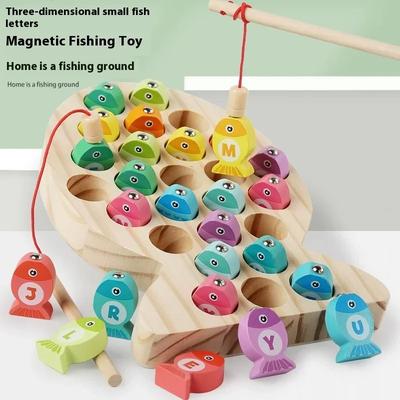
Inspire Select Wooden Montessori Fishing Toy Set Kids Number & Alphabet Learning Game For Early Education Training lettersMake learning fun and interactive with a playful educational experience. This Montessori fishing toy helps children develop essential skills while enjoying handson play. Designed for toddlers and young kids, this wooden learning toy combines...96,97 $*Shipping: 0,00 $Secure redirect to the provider
-
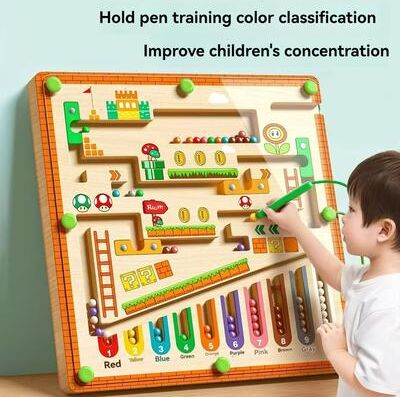
Multisell Products Hub Magnetic Maze Walking Ball, Children's Early Education Puzzle, Baby Concentration And Logic Thinking Training largeImprove Concentration with Fun Learning: Introducing the Children's Magnetic Maze Walking Ball, an engaging tool that fosters your childs concentration and cognitive skills. This interactive game is designed to help develop logic thinking while...29,97 $*Shipping: 0,00 $Secure redirect to the provider
-
Why is amylopectin not water-soluble, but amylose is?
Amylopectin is not water-soluble because it is a highly branched molecule with many side chains, which makes it difficult for water molecules to penetrate and break apart the structure. On the other hand, amylose is water-soluble because it is a linear molecule with fewer side chains, allowing water molecules to easily interact with and disrupt the bonds between the glucose units. This difference in structure and branching of the two molecules is the reason for their differing solubility in water. **
-
How can the carbohydrates galactose, sucrose, and amylose be experimentally detected?
Galactose can be detected using the enzyme galactose oxidase, which converts galactose to galactonolactone, producing hydrogen peroxide in the process. The hydrogen peroxide can then be detected using a colorimetric assay. Sucrose can be detected using the enzyme invertase, which hydrolyzes sucrose into glucose and fructose. The presence of glucose and fructose can then be detected using specific enzymatic assays. Amylose can be detected using iodine, which forms a blue complex with amylose. This can be observed visually or quantified using spectrophotometry. **
-
Is the statement "Amylose is hydrolyzed by the enzyme amylase into D-glucose" chemically correct?
Yes, the statement is chemically correct. Amylose is a polysaccharide composed of glucose units linked together by alpha-1,4 glycosidic bonds. Amylase is an enzyme that catalyzes the hydrolysis of these glycosidic bonds, breaking down amylose into individual D-glucose molecules. This process is a key step in the digestion of starch in the human body. **
-
Why does the solution turn blue when adding an iodine-potassium iodide solution to an amylose solution?
When iodine-potassium iodide solution is added to an amylose solution, the iodine molecules interact with the helical structure of amylose through a process called iodine complexation. This complexation causes a shift in the energy levels of the iodine molecules, resulting in the absorption of light in the visible spectrum. This absorption of light in the visible spectrum gives the solution a blue color. **
* All prices are inclusive of VAT and, if applicable, plus shipping costs. The offer information is based on the details provided by the respective shop and is updated through automated processes. Real-time updates do not occur, so deviations can occur in individual cases. ** Note: Parts of this content were created by AI.