Buy istitutoaltierospinelli.eu ?
We are moving the project
istitutoaltierospinelli.eu .
Are you interested in purchasing the domain
istitutoaltierospinelli.eu ?
domain@kv-gmbh.de · 0541-91531010
Buy istitutoaltierospinelli.eu ?
Are hair dyes harmful?
Hair dyes can contain potentially harmful chemicals such as ammonia, peroxide, and paraphenylenediamine (PPD) which can cause skin irritation, allergic reactions, and in some cases, even lead to more serious health issues. Prolonged and frequent use of hair dyes has been linked to an increased risk of certain cancers, although more research is needed to establish a definitive link. It is important to carefully read and follow the instructions on hair dye products and consider using natural or less toxic alternatives if possible. **
Can hair dyes expire?
Yes, hair dyes can expire. Most hair dyes have a shelf life of about 1-2 years if stored properly in a cool, dry place away from direct sunlight. Using expired hair dye can result in the color not developing properly or the product causing irritation to the scalp. It's important to check the expiration date on the packaging before using the product to ensure best results. **

Similar search terms for Dyes
Top-Angebote
Products related to Dyes:
-
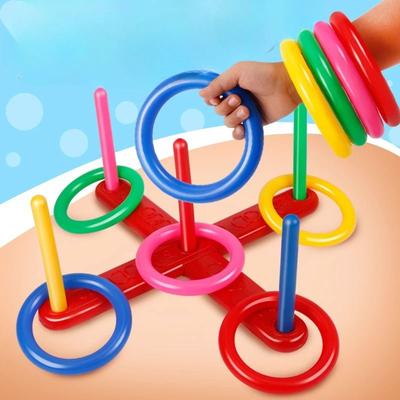
Uplifted Finds Interactive Ring Toss Training System Professional Early Education & Pediatric Fitness Infrastructure Interactive Ring Toss Training System Professional Early Education & Pediatric Fitness InfrastructureCommand ultimate developmental confidence with the Interactive Ring Toss Training System, a highperformance educational solution specifically engineered to act as a comprehensive tool for elite organization and superior technical ergonomics. Built...52,97 $*Shipping: 0,00 $Secure redirect to the provider
-
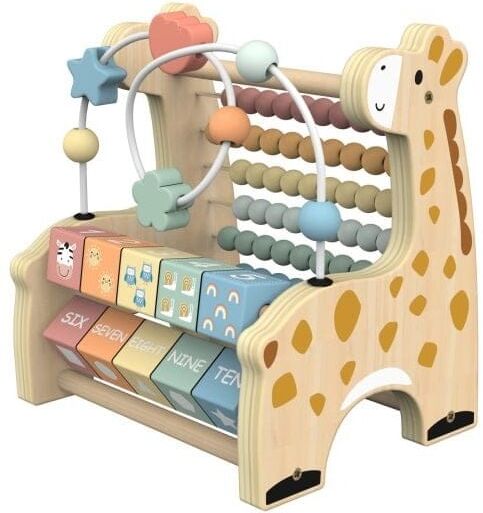
Tooky Toys Wooden Learning Giraffe - Early Education Toy for Babies - Develops Problem-Solving Skills and Hand-Eye CoordinationThe Learning Giraffe is a delightful way for little ones to discover numbers, counting, and colors. Made from smooth, durable wood, this giraffe-shaped learning board combines early education with playful charm. Kids can engage in hands-on activities, such as sliding and stacking numbers, to make math feel approachable and fun. The sturdy, natural materials help develop problem-solving skills and hand-eye coordination. The Learning Giraffe is a gentle guide into the world of numbers, perfect for practicing simple sums and exploring colorful blocks. Tooky Toys has crafted a product that brings the classroom into the playroom in a fun and imaginative way.19,89 £*Shipping: 1,99 £Secure redirect to the provider
-
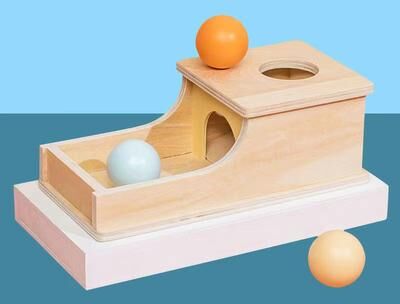
Tiny Tots Teens Trends Drawer Game Early Education Montessori Wooden Pitch Ball Box Preschool Learning Training Toy Drawer Game Early Education Montessori Wooden Pitch Ball Box Preschool Learning Training ToyThis Montessori Wooden Pitch Ball Box Drawer Game is a thoughtfully designed earlyeducation toy that transforms playtime into purposeful learning. Crafted for toddlers and preschoolers, it offers a handson, engaging way to support key developmental...39,97 $*Shipping: 0,00 $Secure redirect to the provider
-
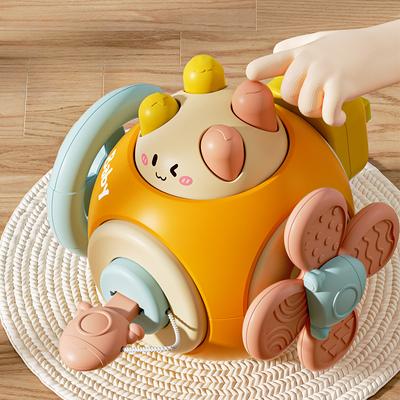
Tiny Tots Teens Trends Montessori Baby Training, Infant Puzzle Early Education Toys, Busy Hand Grasping Ball For Baby Montessori Baby Training, Infant Puzzle Early Education Toys, Busy Hand Grasping Ball For BabyIntroduce Your Baby to the World of Learning The Infant Puzzle Early Education Toys are designed to foster cognitive and physical development in your little one. This Multifunctional Busy Ball for Montessori Baby Training is ideal for enhancing...79,97 $*Shipping: 0,00 $Secure redirect to the provider
-
What are indicator dyes?
Indicator dyes are substances that change color in response to specific chemical conditions such as pH, presence of certain ions, or redox potential. They are often used in laboratory experiments and industrial processes to visually indicate the presence or absence of certain chemical reactions or conditions. Indicator dyes are valuable tools for qualitative analysis and are commonly used in titrations and other chemical tests to determine the endpoint of a reaction. **
-
How can I recognize the differences between polyene triphenylmethane dyes and azo dyes?
Polyene triphenylmethane dyes typically have a more complex molecular structure with alternating single and double bonds, giving them a more extended conjugated system compared to azo dyes. This results in polyene triphenylmethane dyes often having a more intense color and greater light stability. On the other hand, azo dyes contain the azo group (-N=N-) which gives them a characteristic orange to red color. Additionally, azo dyes are more commonly used in textiles and have a wider range of colors compared to polyene triphenylmethane dyes. **
-
Can you mix batik dyes?
Yes, you can mix batik dyes to create custom colors. By combining different colors of batik dyes, you can create a wide range of unique and vibrant shades. It's important to carefully measure and mix the dyes according to the instructions provided with the dye kit to ensure the best results. Experimenting with different combinations of dyes can lead to beautiful and personalized color palettes for your batik projects. **
-
Are Directions hair dyes toxic?
Directions hair dyes are generally considered to be less toxic than traditional hair dyes because they do not contain ammonia or peroxide. However, like all hair dyes, they still contain some chemicals that can cause skin irritation or allergic reactions in some individuals. It is important to carefully follow the instructions and perform a patch test before using any hair dye to minimize the risk of adverse reactions. **

How are carbonyl dyes used?
Carbonyl dyes are used in various applications such as textile dyeing, coloring of plastics, and inks. These dyes contain a carbonyl group, which allows them to form strong covalent bonds with the substrate, resulting in a durable and long-lasting color. They are often used in combination with other dyes to achieve a wide range of shades and colors. Additionally, carbonyl dyes are known for their excellent light and wash fastness, making them suitable for use in products that require high color retention. **
Do dyes make teeth yellow?
Yes, certain dyes can contribute to teeth yellowing. Dark-colored foods and beverages such as coffee, tea, red wine, and certain fruits can contain pigments that can stain the enamel of the teeth over time. Additionally, tobacco products can also cause teeth to become yellow due to the presence of tar and nicotine. Regular consumption of these dyes and substances can lead to discoloration of the teeth. It is important to practice good oral hygiene and limit the consumption of these staining substances to help maintain the natural whiteness of the teeth. **
Top-Angebote
Products related to Dyes:
-
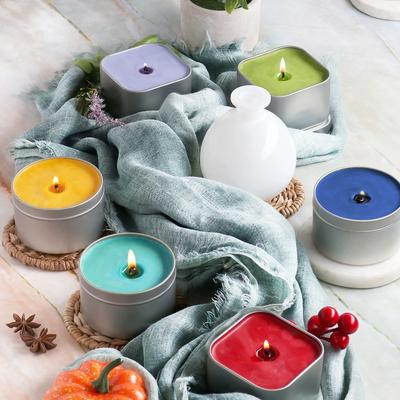
All Categories Goods Complete Soy Candle Making Kit With Fragrance, Wicks & Color Dyes Complete Soy Candle Making Kit With Fragrance, Wicks & Color DyesTransform your home into a creative haven with this candle making kit designed for both beginners and experienced crafters. Featuring premium soy wax flakes, multiple fragrance oils, wicks, a pouring pitcher, and 16 vibrant color dyes, it provides...159,97 $*Shipping: 0,00 $Secure redirect to the provider
-
All Categories Goods DIY Candle Making Kit With Soy Wax, Color Dyes, Thermometer And Tins Complete Candle Making Supplies Set DIY Candle Making Kit With Soy Wax, Color Dyes, Thermometer And Tins Complete Candle Making Supplies SetCraft beautiful handmade candles and turn creativity into a relaxing experience with this candle making kit designed for beginners and hobbyists alike. This allinone set includes premium materials and tools so you can easily create colorful,...129,97 $*Shipping: 0,00 $Secure redirect to the provider
-
Uplifted Finds Interactive Ring Toss Training System Professional Early Education & Pediatric Fitness Infrastructure Interactive Ring Toss Training System Professional Early Education & Pediatric Fitness InfrastructureCommand ultimate developmental confidence with the Interactive Ring Toss Training System, a highperformance educational solution specifically engineered to act as a comprehensive tool for elite organization and superior technical ergonomics. Built...52,97 $*Shipping: 0,00 $Secure redirect to the provider
-
Tooky Toys Wooden Learning Giraffe - Early Education Toy for Babies - Develops Problem-Solving Skills and Hand-Eye CoordinationThe Learning Giraffe is a delightful way for little ones to discover numbers, counting, and colors. Made from smooth, durable wood, this giraffe-shaped learning board combines early education with playful charm. Kids can engage in hands-on activities, such as sliding and stacking numbers, to make math feel approachable and fun. The sturdy, natural materials help develop problem-solving skills and hand-eye coordination. The Learning Giraffe is a gentle guide into the world of numbers, perfect for practicing simple sums and exploring colorful blocks. Tooky Toys has crafted a product that brings the classroom into the playroom in a fun and imaginative way.19,89 £*Shipping: 1,99 £Secure redirect to the provider
-
Are hair dyes harmful?
Hair dyes can contain potentially harmful chemicals such as ammonia, peroxide, and paraphenylenediamine (PPD) which can cause skin irritation, allergic reactions, and in some cases, even lead to more serious health issues. Prolonged and frequent use of hair dyes has been linked to an increased risk of certain cancers, although more research is needed to establish a definitive link. It is important to carefully read and follow the instructions on hair dye products and consider using natural or less toxic alternatives if possible. **
-
Can hair dyes expire?
Yes, hair dyes can expire. Most hair dyes have a shelf life of about 1-2 years if stored properly in a cool, dry place away from direct sunlight. Using expired hair dye can result in the color not developing properly or the product causing irritation to the scalp. It's important to check the expiration date on the packaging before using the product to ensure best results. **
-
What are indicator dyes?
Indicator dyes are substances that change color in response to specific chemical conditions such as pH, presence of certain ions, or redox potential. They are often used in laboratory experiments and industrial processes to visually indicate the presence or absence of certain chemical reactions or conditions. Indicator dyes are valuable tools for qualitative analysis and are commonly used in titrations and other chemical tests to determine the endpoint of a reaction. **
-
How can I recognize the differences between polyene triphenylmethane dyes and azo dyes?
Polyene triphenylmethane dyes typically have a more complex molecular structure with alternating single and double bonds, giving them a more extended conjugated system compared to azo dyes. This results in polyene triphenylmethane dyes often having a more intense color and greater light stability. On the other hand, azo dyes contain the azo group (-N=N-) which gives them a characteristic orange to red color. Additionally, azo dyes are more commonly used in textiles and have a wider range of colors compared to polyene triphenylmethane dyes. **
Similar search terms for Dyes
-
Tiny Tots Teens Trends Drawer Game Early Education Montessori Wooden Pitch Ball Box Preschool Learning Training Toy Drawer Game Early Education Montessori Wooden Pitch Ball Box Preschool Learning Training ToyThis Montessori Wooden Pitch Ball Box Drawer Game is a thoughtfully designed earlyeducation toy that transforms playtime into purposeful learning. Crafted for toddlers and preschoolers, it offers a handson, engaging way to support key developmental...39,97 $*Shipping: 0,00 $Secure redirect to the provider
-
Tiny Tots Teens Trends Montessori Baby Training, Infant Puzzle Early Education Toys, Busy Hand Grasping Ball For Baby Montessori Baby Training, Infant Puzzle Early Education Toys, Busy Hand Grasping Ball For BabyIntroduce Your Baby to the World of Learning The Infant Puzzle Early Education Toys are designed to foster cognitive and physical development in your little one. This Multifunctional Busy Ball for Montessori Baby Training is ideal for enhancing...79,97 $*Shipping: 0,00 $Secure redirect to the provider
-
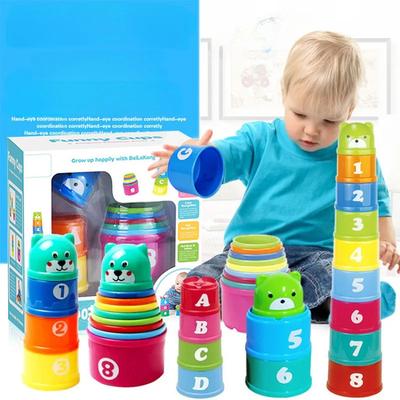
Modern Mode Marketplace Brain Response Battle Cup Set Fun Baby Stack Game For Early Education, Speed And HandEye Coordination Training Brain Response Battle Cup Set Fun Baby Stack Game For Early Education, Speed And HandEye Coordination TrainingUnlock your child's potential with the Brain Response Battle Cup Set! Perfect for young learners, this exciting game combines fun and education to develop handeye coordination and response speed. Ideal for babies and toddlers, it helps improve...29,97 $*Shipping: 0,00 $Secure redirect to the provider
-
Can you mix batik dyes?
Yes, you can mix batik dyes to create custom colors. By combining different colors of batik dyes, you can create a wide range of unique and vibrant shades. It's important to carefully measure and mix the dyes according to the instructions provided with the dye kit to ensure the best results. Experimenting with different combinations of dyes can lead to beautiful and personalized color palettes for your batik projects. **
-
Are Directions hair dyes toxic?
Directions hair dyes are generally considered to be less toxic than traditional hair dyes because they do not contain ammonia or peroxide. However, like all hair dyes, they still contain some chemicals that can cause skin irritation or allergic reactions in some individuals. It is important to carefully follow the instructions and perform a patch test before using any hair dye to minimize the risk of adverse reactions. **
-
How are carbonyl dyes used?
Carbonyl dyes are used in various applications such as textile dyeing, coloring of plastics, and inks. These dyes contain a carbonyl group, which allows them to form strong covalent bonds with the substrate, resulting in a durable and long-lasting color. They are often used in combination with other dyes to achieve a wide range of shades and colors. Additionally, carbonyl dyes are known for their excellent light and wash fastness, making them suitable for use in products that require high color retention. **
-
Do dyes make teeth yellow?
Yes, certain dyes can contribute to teeth yellowing. Dark-colored foods and beverages such as coffee, tea, red wine, and certain fruits can contain pigments that can stain the enamel of the teeth over time. Additionally, tobacco products can also cause teeth to become yellow due to the presence of tar and nicotine. Regular consumption of these dyes and substances can lead to discoloration of the teeth. It is important to practice good oral hygiene and limit the consumption of these staining substances to help maintain the natural whiteness of the teeth. **
* All prices are inclusive of VAT and, if applicable, plus shipping costs. The offer information is based on the details provided by the respective shop and is updated through automated processes. Real-time updates do not occur, so deviations can occur in individual cases. ** Note: Parts of this content were created by AI.