Buy istitutoaltierospinelli.eu ?
We are moving the project
istitutoaltierospinelli.eu .
Are you interested in purchasing the domain
istitutoaltierospinelli.eu ?
domain@kv-gmbh.de · 0541-91531010
Buy istitutoaltierospinelli.eu ?
What is the painting technique of Edvard Munch?
Edvard Munch was known for his innovative painting technique, which often involved bold, expressive brushstrokes and a focus on conveying emotion and psychological intensity. He was a pioneer of the Symbolist and Expressionist movements, and his use of color and form was highly influential in the development of modern art. Munch's technique often involved layering and blending colors to create a sense of depth and movement, and he frequently used unconventional compositions and perspectives to convey the inner turmoil and existential angst of his subjects. Overall, Munch's painting technique was characterized by its emotional intensity and its ability to evoke powerful, visceral responses from viewers. **
How should I analyze the despair of Edvard Munch?
To analyze the despair in Edvard Munch's work, it is important to consider the context in which he was creating his art. Munch's personal struggles and experiences with mental illness, as well as the societal changes and upheavals of his time, greatly influenced his work. Look for recurring themes and symbols in his art, such as isolation, anxiety, and death, and consider how these reflect his inner turmoil. Additionally, examining the use of color, composition, and brushwork can provide insight into the emotional intensity of Munch's work and the depth of his despair. **

Similar search terms for Edvard
Top-Angebote
Products related to Edvard:
-
Tiny Tots Teens Trends Drawer Game Early Education Montessori Wooden Pitch Ball Box Preschool Learning Training Toy Drawer Game Early Education Montessori Wooden Pitch Ball Box Preschool Learning Training ToyThis Montessori Wooden Pitch Ball Box Drawer Game is a thoughtfully designed earlyeducation toy that transforms playtime into purposeful learning. Crafted for toddlers and preschoolers, it offers a handson, engaging way to support key developmental...39,97 $*Shipping: 0,00 $Secure redirect to the provider
-
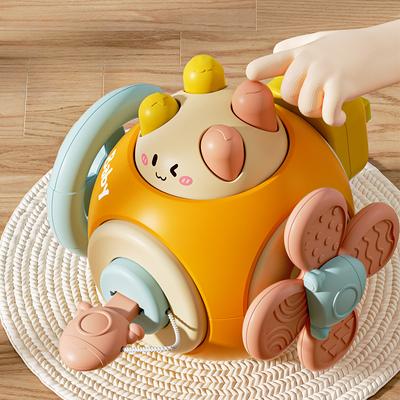
Tiny Tots Teens Trends Montessori Baby Training, Infant Puzzle Early Education Toys, Busy Hand Grasping Ball For Baby Montessori Baby Training, Infant Puzzle Early Education Toys, Busy Hand Grasping Ball For BabyIntroduce Your Baby to the World of Learning The Infant Puzzle Early Education Toys are designed to foster cognitive and physical development in your little one. This Multifunctional Busy Ball for Montessori Baby Training is ideal for enhancing...79,97 $*Shipping: 0,00 $Secure redirect to the provider
-
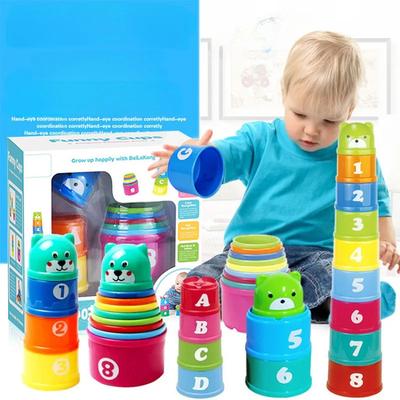
Modern Mode Marketplace Brain Response Battle Cup Set Fun Baby Stack Game For Early Education, Speed And HandEye Coordination Training Brain Response Battle Cup Set Fun Baby Stack Game For Early Education, Speed And HandEye Coordination TrainingUnlock your child's potential with the Brain Response Battle Cup Set! Perfect for young learners, this exciting game combines fun and education to develop handeye coordination and response speed. Ideal for babies and toddlers, it helps improve...29,97 $*Shipping: 0,00 $Secure redirect to the provider


-
Can you describe the painting "Winter Night" by Edvard Munch?
"Winter Night" by Edvard Munch is a haunting and evocative painting that depicts a snowy landscape at night. The scene is dominated by a dark, foreboding forest, with a solitary figure walking through the snow. The use of dark, muted colors and the stark contrast between the figure and the surrounding landscape creates a sense of isolation and loneliness. The painting captures the eerie stillness and quiet beauty of a winter night, while also conveying a sense of unease and mystery. **
-
How do you interpret the painting The Scream by Edvard Munch?
The painting The Scream by Edvard Munch is often interpreted as a representation of the anxiety, fear, and existential dread experienced by the modern individual. The figure in the painting appears to be in a state of extreme distress, with a contorted face and a sense of isolation. The swirling, vibrant colors and the distorted landscape contribute to the overall feeling of unease and chaos. The painting is often seen as a powerful expression of the human condition, capturing the overwhelming emotions and psychological turmoil that can accompany modern life. **
-
What is the visual interpretation of Edvard Munch's Golgotha around 1900?
Edvard Munch's "Golgotha" around 1900 is a haunting and evocative visual interpretation of the crucifixion of Jesus Christ. The painting depicts a dark and desolate landscape with three crosses in the background, conveying a sense of despair and anguish. The figures in the foreground are distorted and anguished, reflecting the intense emotional and psychological turmoil of the crucifixion. Munch's use of color and brushstrokes adds to the overall sense of unease and suffering in the painting, making it a powerful and emotive representation of this pivotal moment in Christian history. **
-
What did Edvard Munch want to express with the painting The Scream?
Edvard Munch wanted to express the overwhelming anxiety and existential dread that he felt during a walk along a fjord in Norway. The figure in the painting is meant to convey a sense of terror and despair, with the swirling, distorted background representing the chaotic and unsettling nature of the world. Munch's use of color and composition was intended to evoke a sense of unease and disorientation, reflecting his own inner turmoil and the broader anxieties of modern life. **

What is the connection between the Lydian mode and Norwegian folk music in the works of Edvard Grieg?
The Lydian mode, with its raised 4th scale degree, is often associated with a bright and uplifting sound. Edvard Grieg, a Norwegian composer, incorporated elements of Norwegian folk music into his compositions, and the Lydian mode is frequently found in Norwegian folk music. Grieg's use of the Lydian mode in his works, such as the famous "Morning Mood" from his Peer Gynt suite, reflects his incorporation of Norwegian folk melodies and scales into his compositions, creating a connection between the Lydian mode and Norwegian folk music in his music. **
Do nursing homes accept individuals with special education diplomas?
Nursing homes typically accept individuals with special education diplomas as long as they meet the facility's admission criteria and have the level of care required. However, it's important to note that nursing homes may have specific requirements for the level of care they can provide, so it's best to inquire directly with the facility to ensure they can accommodate the individual's needs. Additionally, some nursing homes may specialize in caring for individuals with specific disabilities or special needs, so it's important to research and find a facility that can provide the appropriate level of care and support. **
Top-Angebote
Products related to Edvard:
-
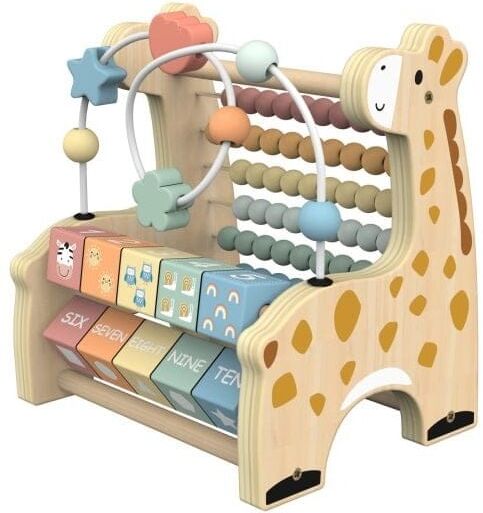
Tooky Toys Wooden Learning Giraffe - Early Education Toy for Babies - Develops Problem-Solving Skills and Hand-Eye CoordinationThe Learning Giraffe is a delightful way for little ones to discover numbers, counting, and colors. Made from smooth, durable wood, this giraffe-shaped learning board combines early education with playful charm. Kids can engage in hands-on activities, such as sliding and stacking numbers, to make math feel approachable and fun. The sturdy, natural materials help develop problem-solving skills and hand-eye coordination. The Learning Giraffe is a gentle guide into the world of numbers, perfect for practicing simple sums and exploring colorful blocks. Tooky Toys has crafted a product that brings the classroom into the playroom in a fun and imaginative way.19,39 £*Shipping: 1,99 £Secure redirect to the provider
-
Uplifted Finds Interactive Ring Toss Training System Professional Early Education & Pediatric Fitness Infrastructure Interactive Ring Toss Training System Professional Early Education & Pediatric Fitness InfrastructureCommand ultimate developmental confidence with the Interactive Ring Toss Training System, a highperformance educational solution specifically engineered to act as a comprehensive tool for elite organization and superior technical ergonomics. Built...52,97 $*Shipping: 0,00 $Secure redirect to the provider
-
Tiny Tots Teens Trends Drawer Game Early Education Montessori Wooden Pitch Ball Box Preschool Learning Training Toy Drawer Game Early Education Montessori Wooden Pitch Ball Box Preschool Learning Training ToyThis Montessori Wooden Pitch Ball Box Drawer Game is a thoughtfully designed earlyeducation toy that transforms playtime into purposeful learning. Crafted for toddlers and preschoolers, it offers a handson, engaging way to support key developmental...39,97 $*Shipping: 0,00 $Secure redirect to the provider
-
Tiny Tots Teens Trends Montessori Baby Training, Infant Puzzle Early Education Toys, Busy Hand Grasping Ball For Baby Montessori Baby Training, Infant Puzzle Early Education Toys, Busy Hand Grasping Ball For BabyIntroduce Your Baby to the World of Learning The Infant Puzzle Early Education Toys are designed to foster cognitive and physical development in your little one. This Multifunctional Busy Ball for Montessori Baby Training is ideal for enhancing...79,97 $*Shipping: 0,00 $Secure redirect to the provider
-
What is the painting technique of Edvard Munch?
Edvard Munch was known for his innovative painting technique, which often involved bold, expressive brushstrokes and a focus on conveying emotion and psychological intensity. He was a pioneer of the Symbolist and Expressionist movements, and his use of color and form was highly influential in the development of modern art. Munch's technique often involved layering and blending colors to create a sense of depth and movement, and he frequently used unconventional compositions and perspectives to convey the inner turmoil and existential angst of his subjects. Overall, Munch's painting technique was characterized by its emotional intensity and its ability to evoke powerful, visceral responses from viewers. **
-
How should I analyze the despair of Edvard Munch?
To analyze the despair in Edvard Munch's work, it is important to consider the context in which he was creating his art. Munch's personal struggles and experiences with mental illness, as well as the societal changes and upheavals of his time, greatly influenced his work. Look for recurring themes and symbols in his art, such as isolation, anxiety, and death, and consider how these reflect his inner turmoil. Additionally, examining the use of color, composition, and brushwork can provide insight into the emotional intensity of Munch's work and the depth of his despair. **
-
Can you describe the painting "Winter Night" by Edvard Munch?
"Winter Night" by Edvard Munch is a haunting and evocative painting that depicts a snowy landscape at night. The scene is dominated by a dark, foreboding forest, with a solitary figure walking through the snow. The use of dark, muted colors and the stark contrast between the figure and the surrounding landscape creates a sense of isolation and loneliness. The painting captures the eerie stillness and quiet beauty of a winter night, while also conveying a sense of unease and mystery. **
-
How do you interpret the painting The Scream by Edvard Munch?
The painting The Scream by Edvard Munch is often interpreted as a representation of the anxiety, fear, and existential dread experienced by the modern individual. The figure in the painting appears to be in a state of extreme distress, with a contorted face and a sense of isolation. The swirling, vibrant colors and the distorted landscape contribute to the overall feeling of unease and chaos. The painting is often seen as a powerful expression of the human condition, capturing the overwhelming emotions and psychological turmoil that can accompany modern life. **
Similar search terms for Edvard
-
Modern Mode Marketplace Brain Response Battle Cup Set Fun Baby Stack Game For Early Education, Speed And HandEye Coordination Training Brain Response Battle Cup Set Fun Baby Stack Game For Early Education, Speed And HandEye Coordination TrainingUnlock your child's potential with the Brain Response Battle Cup Set! Perfect for young learners, this exciting game combines fun and education to develop handeye coordination and response speed. Ideal for babies and toddlers, it helps improve...29,97 $*Shipping: 0,00 $Secure redirect to the provider
-
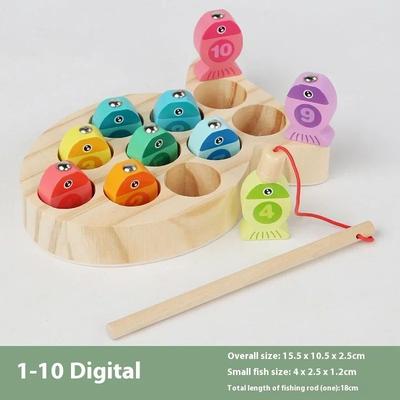
Inspire Select Wooden Montessori Fishing Toy Set Kids Number & Alphabet Learning Game For Early Education Training numbersMake learning fun and interactive with a playful educational experience. This Montessori fishing toy helps children develop essential skills while enjoying handson play. Designed for toddlers and young kids, this wooden learning toy combines...64,96 $*Shipping: 0,00 $Secure redirect to the provider
-
Multisell Products Hub Magnetic Maze Walking Ball, Children's Early Education Puzzle, Baby Concentration And Logic Thinking Training mediumImprove Concentration with Fun Learning: Introducing the Children's Magnetic Maze Walking Ball, an engaging tool that fosters your childs concentration and cognitive skills. This interactive game is designed to help develop logic thinking while...27,97 $*Shipping: 0,00 $Secure redirect to the provider
-
What is the visual interpretation of Edvard Munch's Golgotha around 1900?
Edvard Munch's "Golgotha" around 1900 is a haunting and evocative visual interpretation of the crucifixion of Jesus Christ. The painting depicts a dark and desolate landscape with three crosses in the background, conveying a sense of despair and anguish. The figures in the foreground are distorted and anguished, reflecting the intense emotional and psychological turmoil of the crucifixion. Munch's use of color and brushstrokes adds to the overall sense of unease and suffering in the painting, making it a powerful and emotive representation of this pivotal moment in Christian history. **
-
What did Edvard Munch want to express with the painting The Scream?
Edvard Munch wanted to express the overwhelming anxiety and existential dread that he felt during a walk along a fjord in Norway. The figure in the painting is meant to convey a sense of terror and despair, with the swirling, distorted background representing the chaotic and unsettling nature of the world. Munch's use of color and composition was intended to evoke a sense of unease and disorientation, reflecting his own inner turmoil and the broader anxieties of modern life. **
-
What is the connection between the Lydian mode and Norwegian folk music in the works of Edvard Grieg?
The Lydian mode, with its raised 4th scale degree, is often associated with a bright and uplifting sound. Edvard Grieg, a Norwegian composer, incorporated elements of Norwegian folk music into his compositions, and the Lydian mode is frequently found in Norwegian folk music. Grieg's use of the Lydian mode in his works, such as the famous "Morning Mood" from his Peer Gynt suite, reflects his incorporation of Norwegian folk melodies and scales into his compositions, creating a connection between the Lydian mode and Norwegian folk music in his music. **
-
Do nursing homes accept individuals with special education diplomas?
Nursing homes typically accept individuals with special education diplomas as long as they meet the facility's admission criteria and have the level of care required. However, it's important to note that nursing homes may have specific requirements for the level of care they can provide, so it's best to inquire directly with the facility to ensure they can accommodate the individual's needs. Additionally, some nursing homes may specialize in caring for individuals with specific disabilities or special needs, so it's important to research and find a facility that can provide the appropriate level of care and support. **
* All prices are inclusive of VAT and, if applicable, plus shipping costs. The offer information is based on the details provided by the respective shop and is updated through automated processes. Real-time updates do not occur, so deviations can occur in individual cases. ** Note: Parts of this content were created by AI.