Buy istitutoaltierospinelli.eu ?
We are moving the project
istitutoaltierospinelli.eu .
Are you interested in purchasing the domain
istitutoaltierospinelli.eu ?
domain@kv-gmbh.de · 0541-91531010
Buy istitutoaltierospinelli.eu ?
What is mercantilism?
Mercantilism is an economic theory and practice that dominated European trade from the 16th to the 18th centuries. It focused on accumulating wealth through a favorable balance of trade, where a country exports more than it imports. Mercantilist policies included imposing tariffs and quotas on imports, promoting domestic industry, and acquiring colonies as sources of raw materials and markets for finished goods. Mercantilism aimed to increase a nation's power and wealth by maximizing exports and minimizing imports. **
Why would mercantilism not work nowadays?
Mercantilism would not work nowadays because it is based on the idea of accumulating wealth through a favorable balance of trade, which can lead to protectionist policies and trade wars. In today's globalized economy, countries rely on international trade and cooperation to drive economic growth. Mercantilist policies such as tariffs and restrictions on imports can hinder economic development and lead to retaliation from trading partners. Additionally, the focus on hoarding gold and silver as a measure of wealth is outdated in a world where wealth is measured by a variety of factors beyond just precious metals. **

Similar search terms for Mercantilism
Top-Angebote
Products related to Mercantilism:
-
Tiny Tots Teens Trends Drawer Game Early Education Montessori Wooden Pitch Ball Box Preschool Learning Training Toy Drawer Game Early Education Montessori Wooden Pitch Ball Box Preschool Learning Training ToyThis Montessori Wooden Pitch Ball Box Drawer Game is a thoughtfully designed earlyeducation toy that transforms playtime into purposeful learning. Crafted for toddlers and preschoolers, it offers a handson, engaging way to support key developmental...39,97 $*Shipping: 0,00 $Secure redirect to the provider
-
Tiny Tots Teens Trends Montessori Baby Training, Infant Puzzle Early Education Toys, Busy Hand Grasping Ball For Baby Montessori Baby Training, Infant Puzzle Early Education Toys, Busy Hand Grasping Ball For BabyIntroduce Your Baby to the World of Learning The Infant Puzzle Early Education Toys are designed to foster cognitive and physical development in your little one. This Multifunctional Busy Ball for Montessori Baby Training is ideal for enhancing...79,97 $*Shipping: 0,00 $Secure redirect to the provider
-
Modern Mode Marketplace Brain Response Battle Cup Set Fun Baby Stack Game For Early Education, Speed And HandEye Coordination Training Brain Response Battle Cup Set Fun Baby Stack Game For Early Education, Speed And HandEye Coordination TrainingUnlock your child's potential with the Brain Response Battle Cup Set! Perfect for young learners, this exciting game combines fun and education to develop handeye coordination and response speed. Ideal for babies and toddlers, it helps improve...29,97 $*Shipping: 0,00 $Secure redirect to the provider



-
Is there an opposite of mercantilism?
Yes, the opposite of mercantilism is often considered to be free trade or laissez-faire economics. Mercantilism is characterized by government intervention in the economy, protectionist trade policies, and the accumulation of wealth through a positive balance of trade. In contrast, free trade advocates for minimal government intervention in the economy, open markets, and the belief that trade benefits all parties involved. Free trade promotes the idea that individuals and businesses should be free to engage in commerce without government restrictions or tariffs. **
-
Why would mercantilism not work today?
Mercantilism is an economic theory that emphasizes the accumulation of wealth through government intervention in trade. However, in today's globalized economy, where trade barriers are reduced and countries rely on interconnected supply chains, the principles of mercantilism would not be effective. Unilateral efforts to hoard wealth through protectionist policies would likely lead to retaliation from trading partners, disrupting the delicate balance of international trade. Additionally, the focus on accumulating precious metals as a measure of wealth is outdated in a modern economy where wealth is created through innovation, technology, and human capital. **
-
What is the tariff wall of mercantilism?
The tariff wall of mercantilism refers to the system of high tariffs or taxes imposed on imported goods in order to protect domestic industries and promote exports. This policy was a key feature of mercantilist economic theory, which believed that a country's wealth and power could be increased by maximizing exports and minimizing imports. By creating barriers to foreign goods, countries sought to maintain a favorable balance of trade and accumulate precious metals. However, this protectionist approach often led to retaliatory measures by other countries and hindered overall economic growth. **
-
What exactly does mercantilism and absolutism mean?
Mercantilism was an economic theory and practice that dominated Western European economic policies from the 16th to the 18th century. It emphasized the importance of accumulating wealth through a favorable balance of trade, the establishment of colonies, and the promotion of domestic industry and manufacturing. Absolutism, on the other hand, was a political system in which a single ruler held absolute power and authority over the state and its people. This system was prevalent in Europe during the same time period as mercantilism and was characterized by centralized authority, the suppression of dissent, and the belief in the divine right of kings. Both mercantilism and absolutism were influential in shaping the political and economic landscape of early modern Europe. **
What is the difference between Mercantilism and Liberalism?
Mercantilism is an economic theory that emphasizes the importance of accumulating wealth through trade surpluses, government intervention in the economy, and the accumulation of gold and silver reserves. On the other hand, Liberalism is an economic theory that emphasizes free markets, limited government intervention, individual rights, and the importance of competition. While Mercantilism focuses on protectionist policies and state control of the economy, Liberalism promotes free trade and a laissez-faire approach to economic activities. **
Was liberalism a reaction to mercantilism and why?
Yes, liberalism can be seen as a reaction to mercantilism. Mercantilism was an economic system that emphasized government intervention in the economy, strict regulations on trade, and the accumulation of wealth through exports. In contrast, liberalism emerged as a response to the restrictions and regulations imposed by mercantilism, advocating for free trade, individual rights, and limited government intervention in the economy. Liberalism sought to promote economic freedom, competition, and the idea that individuals should be able to pursue their own economic interests without excessive government interference. **
Top-Angebote
Products related to Mercantilism:
-
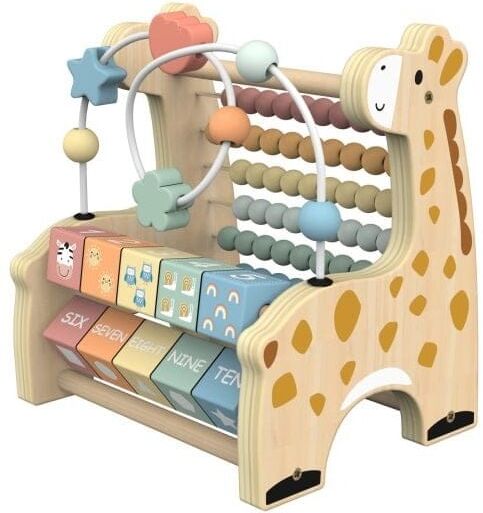
Tooky Toys Wooden Learning Giraffe - Early Education Toy for Babies - Develops Problem-Solving Skills and Hand-Eye CoordinationThe Learning Giraffe is a delightful way for little ones to discover numbers, counting, and colors. Made from smooth, durable wood, this giraffe-shaped learning board combines early education with playful charm. Kids can engage in hands-on activities, such as sliding and stacking numbers, to make math feel approachable and fun. The sturdy, natural materials help develop problem-solving skills and hand-eye coordination. The Learning Giraffe is a gentle guide into the world of numbers, perfect for practicing simple sums and exploring colorful blocks. Tooky Toys has crafted a product that brings the classroom into the playroom in a fun and imaginative way.19,45 £*Shipping: 3,95 £Secure redirect to the provider
-
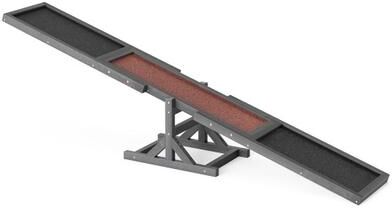
Uplifted Finds Interactive Ring Toss Training System Professional Early Education & Pediatric Fitness Infrastructure Interactive Ring Toss Training System Professional Early Education & Pediatric Fitness InfrastructureCommand ultimate developmental confidence with the Interactive Ring Toss Training System, a highperformance educational solution specifically engineered to act as a comprehensive tool for elite organization and superior technical ergonomics. Built...52,97 $*Shipping: 0,00 $Secure redirect to the provider
-
Tiny Tots Teens Trends Drawer Game Early Education Montessori Wooden Pitch Ball Box Preschool Learning Training Toy Drawer Game Early Education Montessori Wooden Pitch Ball Box Preschool Learning Training ToyThis Montessori Wooden Pitch Ball Box Drawer Game is a thoughtfully designed earlyeducation toy that transforms playtime into purposeful learning. Crafted for toddlers and preschoolers, it offers a handson, engaging way to support key developmental...39,97 $*Shipping: 0,00 $Secure redirect to the provider
-
Tiny Tots Teens Trends Montessori Baby Training, Infant Puzzle Early Education Toys, Busy Hand Grasping Ball For Baby Montessori Baby Training, Infant Puzzle Early Education Toys, Busy Hand Grasping Ball For BabyIntroduce Your Baby to the World of Learning The Infant Puzzle Early Education Toys are designed to foster cognitive and physical development in your little one. This Multifunctional Busy Ball for Montessori Baby Training is ideal for enhancing...79,97 $*Shipping: 0,00 $Secure redirect to the provider
-
What is mercantilism?
Mercantilism is an economic theory and practice that dominated European trade from the 16th to the 18th centuries. It focused on accumulating wealth through a favorable balance of trade, where a country exports more than it imports. Mercantilist policies included imposing tariffs and quotas on imports, promoting domestic industry, and acquiring colonies as sources of raw materials and markets for finished goods. Mercantilism aimed to increase a nation's power and wealth by maximizing exports and minimizing imports. **
-
Why would mercantilism not work nowadays?
Mercantilism would not work nowadays because it is based on the idea of accumulating wealth through a favorable balance of trade, which can lead to protectionist policies and trade wars. In today's globalized economy, countries rely on international trade and cooperation to drive economic growth. Mercantilist policies such as tariffs and restrictions on imports can hinder economic development and lead to retaliation from trading partners. Additionally, the focus on hoarding gold and silver as a measure of wealth is outdated in a world where wealth is measured by a variety of factors beyond just precious metals. **
-
Is there an opposite of mercantilism?
Yes, the opposite of mercantilism is often considered to be free trade or laissez-faire economics. Mercantilism is characterized by government intervention in the economy, protectionist trade policies, and the accumulation of wealth through a positive balance of trade. In contrast, free trade advocates for minimal government intervention in the economy, open markets, and the belief that trade benefits all parties involved. Free trade promotes the idea that individuals and businesses should be free to engage in commerce without government restrictions or tariffs. **
-
Why would mercantilism not work today?
Mercantilism is an economic theory that emphasizes the accumulation of wealth through government intervention in trade. However, in today's globalized economy, where trade barriers are reduced and countries rely on interconnected supply chains, the principles of mercantilism would not be effective. Unilateral efforts to hoard wealth through protectionist policies would likely lead to retaliation from trading partners, disrupting the delicate balance of international trade. Additionally, the focus on accumulating precious metals as a measure of wealth is outdated in a modern economy where wealth is created through innovation, technology, and human capital. **
Similar search terms for Mercantilism
-
Modern Mode Marketplace Brain Response Battle Cup Set Fun Baby Stack Game For Early Education, Speed And HandEye Coordination Training Brain Response Battle Cup Set Fun Baby Stack Game For Early Education, Speed And HandEye Coordination TrainingUnlock your child's potential with the Brain Response Battle Cup Set! Perfect for young learners, this exciting game combines fun and education to develop handeye coordination and response speed. Ideal for babies and toddlers, it helps improve...29,97 $*Shipping: 0,00 $Secure redirect to the provider
-
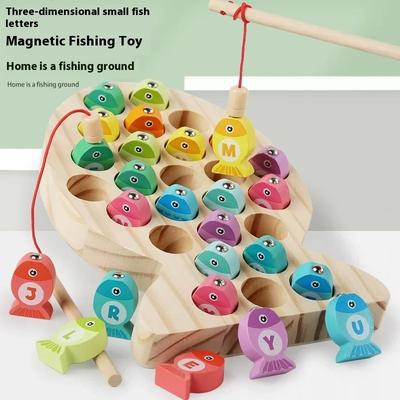
Inspire Select Wooden Montessori Fishing Toy Set Kids Number & Alphabet Learning Game For Early Education Training lettersMake learning fun and interactive with a playful educational experience. This Montessori fishing toy helps children develop essential skills while enjoying handson play. Designed for toddlers and young kids, this wooden learning toy combines...96,97 $*Shipping: 0,00 $Secure redirect to the provider
-
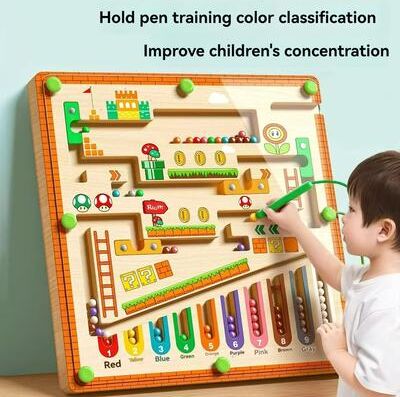
Multisell Products Hub Magnetic Maze Walking Ball, Children's Early Education Puzzle, Baby Concentration And Logic Thinking Training largeImprove Concentration with Fun Learning: Introducing the Children's Magnetic Maze Walking Ball, an engaging tool that fosters your childs concentration and cognitive skills. This interactive game is designed to help develop logic thinking while...29,97 $*Shipping: 0,00 $Secure redirect to the provider
-
What is the tariff wall of mercantilism?
The tariff wall of mercantilism refers to the system of high tariffs or taxes imposed on imported goods in order to protect domestic industries and promote exports. This policy was a key feature of mercantilist economic theory, which believed that a country's wealth and power could be increased by maximizing exports and minimizing imports. By creating barriers to foreign goods, countries sought to maintain a favorable balance of trade and accumulate precious metals. However, this protectionist approach often led to retaliatory measures by other countries and hindered overall economic growth. **
-
What exactly does mercantilism and absolutism mean?
Mercantilism was an economic theory and practice that dominated Western European economic policies from the 16th to the 18th century. It emphasized the importance of accumulating wealth through a favorable balance of trade, the establishment of colonies, and the promotion of domestic industry and manufacturing. Absolutism, on the other hand, was a political system in which a single ruler held absolute power and authority over the state and its people. This system was prevalent in Europe during the same time period as mercantilism and was characterized by centralized authority, the suppression of dissent, and the belief in the divine right of kings. Both mercantilism and absolutism were influential in shaping the political and economic landscape of early modern Europe. **
-
What is the difference between Mercantilism and Liberalism?
Mercantilism is an economic theory that emphasizes the importance of accumulating wealth through trade surpluses, government intervention in the economy, and the accumulation of gold and silver reserves. On the other hand, Liberalism is an economic theory that emphasizes free markets, limited government intervention, individual rights, and the importance of competition. While Mercantilism focuses on protectionist policies and state control of the economy, Liberalism promotes free trade and a laissez-faire approach to economic activities. **
-
Was liberalism a reaction to mercantilism and why?
Yes, liberalism can be seen as a reaction to mercantilism. Mercantilism was an economic system that emphasized government intervention in the economy, strict regulations on trade, and the accumulation of wealth through exports. In contrast, liberalism emerged as a response to the restrictions and regulations imposed by mercantilism, advocating for free trade, individual rights, and limited government intervention in the economy. Liberalism sought to promote economic freedom, competition, and the idea that individuals should be able to pursue their own economic interests without excessive government interference. **
* All prices are inclusive of VAT and, if applicable, plus shipping costs. The offer information is based on the details provided by the respective shop and is updated through automated processes. Real-time updates do not occur, so deviations can occur in individual cases. ** Note: Parts of this content were created by AI.