Buy istitutoaltierospinelli.eu ?
We are moving the project
istitutoaltierospinelli.eu .
Are you interested in purchasing the domain
istitutoaltierospinelli.eu ?
domain@kv-gmbh.de · 0541-91531010
Buy istitutoaltierospinelli.eu ?
What is meant by the term nucleic acid type?
The term nucleic acid type refers to the specific kind of nucleic acid molecule, which can be either DNA (deoxyribonucleic acid) or RNA (ribonucleic acid). These two types of nucleic acids differ in their structure, function, and location within the cell. DNA is the genetic material that carries the instructions for the development, functioning, growth, and reproduction of all known organisms and many viruses, while RNA is involved in protein synthesis, gene regulation, and other cellular processes. The distinction between DNA and RNA is crucial for understanding the fundamental processes of genetics and molecular biology. **
How are genetic information passed on as nucleic acids?
Genetic information is passed on as nucleic acids through the process of DNA replication and cell division. During DNA replication, the double-stranded DNA molecule unwinds and separates into two strands, and each strand serves as a template for the synthesis of a new complementary strand. This results in two identical DNA molecules, each containing one original strand and one newly synthesized strand. During cell division, the replicated DNA is distributed equally between the two daughter cells, ensuring that each cell receives a complete set of genetic information in the form of nucleic acids. This process allows genetic information to be passed on from one generation to the next. **

Similar search terms for Nucleic
Top-Angebote
Products related to Nucleic:
-
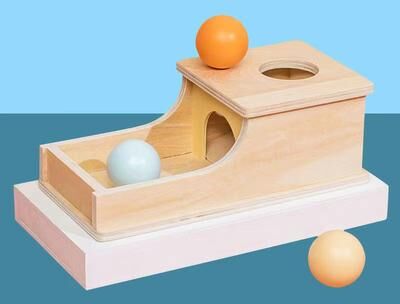
Tiny Tots Teens Trends Drawer Game Early Education Montessori Wooden Pitch Ball Box Preschool Learning Training Toy Drawer Game Early Education Montessori Wooden Pitch Ball Box Preschool Learning Training ToyThis Montessori Wooden Pitch Ball Box Drawer Game is a thoughtfully designed earlyeducation toy that transforms playtime into purposeful learning. Crafted for toddlers and preschoolers, it offers a handson, engaging way to support key developmental...39,97 $*Shipping: 0,00 $Secure redirect to the provider
-
Tiny Tots Teens Trends Montessori Baby Training, Infant Puzzle Early Education Toys, Busy Hand Grasping Ball For Baby Montessori Baby Training, Infant Puzzle Early Education Toys, Busy Hand Grasping Ball For BabyIntroduce Your Baby to the World of Learning The Infant Puzzle Early Education Toys are designed to foster cognitive and physical development in your little one. This Multifunctional Busy Ball for Montessori Baby Training is ideal for enhancing...79,97 $*Shipping: 0,00 $Secure redirect to the provider
-
Modern Mode Marketplace Brain Response Battle Cup Set Fun Baby Stack Game For Early Education, Speed And HandEye Coordination Training Brain Response Battle Cup Set Fun Baby Stack Game For Early Education, Speed And HandEye Coordination TrainingUnlock your child's potential with the Brain Response Battle Cup Set! Perfect for young learners, this exciting game combines fun and education to develop handeye coordination and response speed. Ideal for babies and toddlers, it helps improve...29,97 $*Shipping: 0,00 $Secure redirect to the provider


-
How does a single DNA strand look with different nucleic acids?
A single DNA strand is made up of a sequence of nucleotides, which are the building blocks of DNA. Each nucleotide consists of a sugar molecule, a phosphate group, and a nitrogenous base. There are four different nitrogenous bases in DNA: adenine (A), thymine (T), cytosine (C), and guanine (G). The sequence of these bases along the DNA strand determines the genetic information it carries. So, a single DNA strand can look different depending on the specific arrangement of these nucleic acids along its length. **
-
Why was deoxyribonucleic acid also called nucleic acid in the past?
Deoxyribonucleic acid (DNA) was also called nucleic acid in the past because it was initially discovered as a component of the cell nucleus. At the time of its discovery, scientists were not aware of the full complexity and significance of DNA, and they simply referred to it as a type of nucleic acid. It was later identified as a distinct molecule with its own unique structure and function, leading to the adoption of the name deoxyribonucleic acid to specifically refer to this important genetic material. **
-
What is the composition of the bases in the single strand of nucleic acid?
The bases in a single strand of nucleic acid are adenine (A), thymine (T), cytosine (C), and guanine (G). Adenine pairs with thymine, and cytosine pairs with guanine in a complementary manner to form the double helix structure of DNA. These base pairs are essential for the genetic information storage and transfer functions of nucleic acids. **
-
Why are they called nucleic acids if they are made up of different bases?
Nucleic acids are called so because they were first discovered in the cell nucleus. They are made up of different bases, but the backbone of the nucleic acid molecule is composed of repeating units of sugar and phosphate, which form a chain. The bases are attached to this sugar-phosphate backbone, and they are responsible for carrying the genetic information. Therefore, the name "nucleic acid" reflects their initial discovery in the cell nucleus and their role in storing and transmitting genetic information. **


Do nursing homes accept individuals with special education diplomas?
Nursing homes typically accept individuals with special education diplomas as long as they meet the facility's admission criteria and have the level of care required. However, it's important to note that nursing homes may have specific requirements for the level of care they can provide, so it's best to inquire directly with the facility to ensure they can accommodate the individual's needs. Additionally, some nursing homes may specialize in caring for individuals with specific disabilities or special needs, so it's important to research and find a facility that can provide the appropriate level of care and support. **
Why are further education courses so much more expensive than initial training programs?
Further education courses are typically more expensive than initial training programs because they often require more specialized instructors, resources, and facilities. These courses are usually more in-depth and cover advanced topics, which can increase the cost of providing the education. Additionally, further education courses may also offer certifications or degrees upon completion, which adds to the overall cost. Finally, the smaller class sizes and more personalized instruction in further education courses can also contribute to the higher cost compared to initial training programs. **
Top-Angebote
Products related to Nucleic:
-
Uplifted Finds Interactive Ring Toss Training System Professional Early Education & Pediatric Fitness Infrastructure Interactive Ring Toss Training System Professional Early Education & Pediatric Fitness InfrastructureCommand ultimate developmental confidence with the Interactive Ring Toss Training System, a highperformance educational solution specifically engineered to act as a comprehensive tool for elite organization and superior technical ergonomics. Built...52,97 $*Shipping: 0,00 $Secure redirect to the provider
-
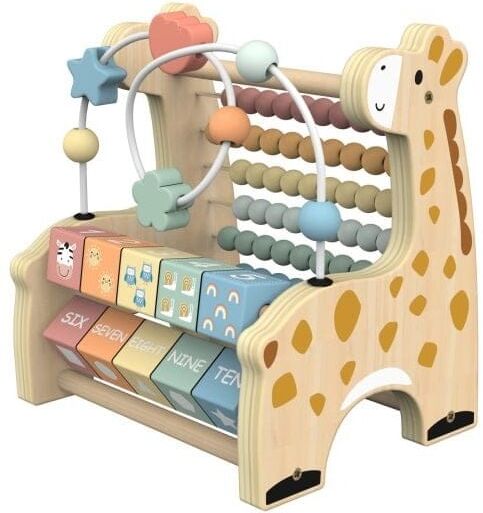
Tooky Toys Wooden Learning Giraffe - Early Education Toy for Babies - Develops Problem-Solving Skills and Hand-Eye CoordinationThe Learning Giraffe is a delightful way for little ones to discover numbers, counting, and colors. Made from smooth, durable wood, this giraffe-shaped learning board combines early education with playful charm. Kids can engage in hands-on activities, such as sliding and stacking numbers, to make math feel approachable and fun. The sturdy, natural materials help develop problem-solving skills and hand-eye coordination. The Learning Giraffe is a gentle guide into the world of numbers, perfect for practicing simple sums and exploring colorful blocks. Tooky Toys has crafted a product that brings the classroom into the playroom in a fun and imaginative way.19,89 £*Shipping: 1,99 £Secure redirect to the provider
-
Tiny Tots Teens Trends Drawer Game Early Education Montessori Wooden Pitch Ball Box Preschool Learning Training Toy Drawer Game Early Education Montessori Wooden Pitch Ball Box Preschool Learning Training ToyThis Montessori Wooden Pitch Ball Box Drawer Game is a thoughtfully designed earlyeducation toy that transforms playtime into purposeful learning. Crafted for toddlers and preschoolers, it offers a handson, engaging way to support key developmental...39,97 $*Shipping: 0,00 $Secure redirect to the provider
-
Tiny Tots Teens Trends Montessori Baby Training, Infant Puzzle Early Education Toys, Busy Hand Grasping Ball For Baby Montessori Baby Training, Infant Puzzle Early Education Toys, Busy Hand Grasping Ball For BabyIntroduce Your Baby to the World of Learning The Infant Puzzle Early Education Toys are designed to foster cognitive and physical development in your little one. This Multifunctional Busy Ball for Montessori Baby Training is ideal for enhancing...79,97 $*Shipping: 0,00 $Secure redirect to the provider
-
What is meant by the term nucleic acid type?
The term nucleic acid type refers to the specific kind of nucleic acid molecule, which can be either DNA (deoxyribonucleic acid) or RNA (ribonucleic acid). These two types of nucleic acids differ in their structure, function, and location within the cell. DNA is the genetic material that carries the instructions for the development, functioning, growth, and reproduction of all known organisms and many viruses, while RNA is involved in protein synthesis, gene regulation, and other cellular processes. The distinction between DNA and RNA is crucial for understanding the fundamental processes of genetics and molecular biology. **
-
How are genetic information passed on as nucleic acids?
Genetic information is passed on as nucleic acids through the process of DNA replication and cell division. During DNA replication, the double-stranded DNA molecule unwinds and separates into two strands, and each strand serves as a template for the synthesis of a new complementary strand. This results in two identical DNA molecules, each containing one original strand and one newly synthesized strand. During cell division, the replicated DNA is distributed equally between the two daughter cells, ensuring that each cell receives a complete set of genetic information in the form of nucleic acids. This process allows genetic information to be passed on from one generation to the next. **
-
How does a single DNA strand look with different nucleic acids?
A single DNA strand is made up of a sequence of nucleotides, which are the building blocks of DNA. Each nucleotide consists of a sugar molecule, a phosphate group, and a nitrogenous base. There are four different nitrogenous bases in DNA: adenine (A), thymine (T), cytosine (C), and guanine (G). The sequence of these bases along the DNA strand determines the genetic information it carries. So, a single DNA strand can look different depending on the specific arrangement of these nucleic acids along its length. **
-
Why was deoxyribonucleic acid also called nucleic acid in the past?
Deoxyribonucleic acid (DNA) was also called nucleic acid in the past because it was initially discovered as a component of the cell nucleus. At the time of its discovery, scientists were not aware of the full complexity and significance of DNA, and they simply referred to it as a type of nucleic acid. It was later identified as a distinct molecule with its own unique structure and function, leading to the adoption of the name deoxyribonucleic acid to specifically refer to this important genetic material. **
Similar search terms for Nucleic
-
Modern Mode Marketplace Brain Response Battle Cup Set Fun Baby Stack Game For Early Education, Speed And HandEye Coordination Training Brain Response Battle Cup Set Fun Baby Stack Game For Early Education, Speed And HandEye Coordination TrainingUnlock your child's potential with the Brain Response Battle Cup Set! Perfect for young learners, this exciting game combines fun and education to develop handeye coordination and response speed. Ideal for babies and toddlers, it helps improve...29,97 $*Shipping: 0,00 $Secure redirect to the provider
-
Inspire Select Wooden Montessori Fishing Toy Set Kids Number & Alphabet Learning Game For Early Education Training numbersMake learning fun and interactive with a playful educational experience. This Montessori fishing toy helps children develop essential skills while enjoying handson play. Designed for toddlers and young kids, this wooden learning toy combines...64,96 $*Shipping: 0,00 $Secure redirect to the provider
-
Multisell Products Hub Magnetic Maze Walking Ball, Children's Early Education Puzzle, Baby Concentration And Logic Thinking Training largeImprove Concentration with Fun Learning: Introducing the Children's Magnetic Maze Walking Ball, an engaging tool that fosters your childs concentration and cognitive skills. This interactive game is designed to help develop logic thinking while...29,97 $*Shipping: 0,00 $Secure redirect to the provider
-
What is the composition of the bases in the single strand of nucleic acid?
The bases in a single strand of nucleic acid are adenine (A), thymine (T), cytosine (C), and guanine (G). Adenine pairs with thymine, and cytosine pairs with guanine in a complementary manner to form the double helix structure of DNA. These base pairs are essential for the genetic information storage and transfer functions of nucleic acids. **
-
Why are they called nucleic acids if they are made up of different bases?
Nucleic acids are called so because they were first discovered in the cell nucleus. They are made up of different bases, but the backbone of the nucleic acid molecule is composed of repeating units of sugar and phosphate, which form a chain. The bases are attached to this sugar-phosphate backbone, and they are responsible for carrying the genetic information. Therefore, the name "nucleic acid" reflects their initial discovery in the cell nucleus and their role in storing and transmitting genetic information. **
-
Do nursing homes accept individuals with special education diplomas?
Nursing homes typically accept individuals with special education diplomas as long as they meet the facility's admission criteria and have the level of care required. However, it's important to note that nursing homes may have specific requirements for the level of care they can provide, so it's best to inquire directly with the facility to ensure they can accommodate the individual's needs. Additionally, some nursing homes may specialize in caring for individuals with specific disabilities or special needs, so it's important to research and find a facility that can provide the appropriate level of care and support. **
-
Why are further education courses so much more expensive than initial training programs?
Further education courses are typically more expensive than initial training programs because they often require more specialized instructors, resources, and facilities. These courses are usually more in-depth and cover advanced topics, which can increase the cost of providing the education. Additionally, further education courses may also offer certifications or degrees upon completion, which adds to the overall cost. Finally, the smaller class sizes and more personalized instruction in further education courses can also contribute to the higher cost compared to initial training programs. **
* All prices are inclusive of VAT and, if applicable, plus shipping costs. The offer information is based on the details provided by the respective shop and is updated through automated processes. Real-time updates do not occur, so deviations can occur in individual cases. ** Note: Parts of this content were created by AI.