Buy istitutoaltierospinelli.eu ?
We are moving the project
istitutoaltierospinelli.eu .
Are you interested in purchasing the domain
istitutoaltierospinelli.eu ?
domain@kv-gmbh.de · 0541-91531010
Buy istitutoaltierospinelli.eu ?
What is the meaning of "ought to"?
"Ought to" is a modal verb that is used to express obligation, duty, or moral correctness. It indicates that something is the right thing to do, or that it is necessary or advisable. It is often used to give advice or make recommendations. For example, "You ought to apologize for your mistake" suggests that it is the right or moral thing to do. **
Is the statement "I think, therefore I am" a being-ought fallacy?
The statement "I think, therefore I am" is not a being-ought fallacy. It is a philosophical proposition put forth by René Descartes, which asserts the existence of the self as a thinking being. It does not make any normative claims about what one ought to do or be, but rather focuses on the epistemological certainty of one's own existence as a thinking being. Therefore, it does not fall into the category of being-ought fallacy, which involves deriving an "ought" statement from a statement about being. **
Similar search terms for Ought
Top-Angebote
Products related to Ought:
-
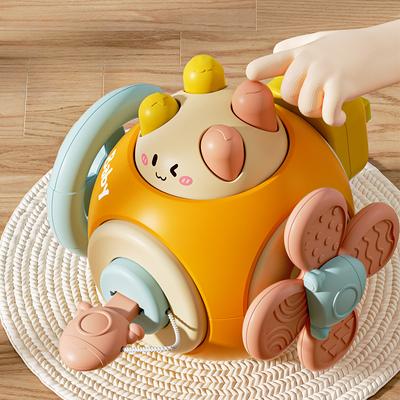
Tiny Tots Teens Trends Montessori Baby Training, Infant Puzzle Early Education Toys, Busy Hand Grasping Ball For Baby Montessori Baby Training, Infant Puzzle Early Education Toys, Busy Hand Grasping Ball For BabyIntroduce Your Baby to the World of Learning The Infant Puzzle Early Education Toys are designed to foster cognitive and physical development in your little one. This Multifunctional Busy Ball for Montessori Baby Training is ideal for enhancing...79,97 $*Shipping: 0,00 $Secure redirect to the provider
-
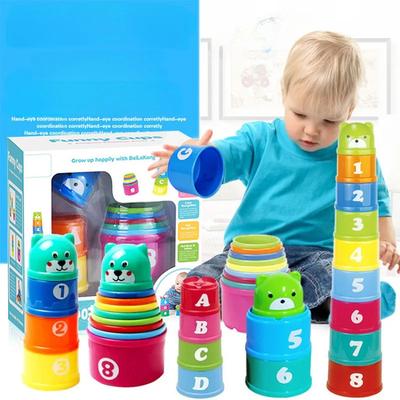
Modern Mode Marketplace Brain Response Battle Cup Set Fun Baby Stack Game For Early Education, Speed And HandEye Coordination Training Brain Response Battle Cup Set Fun Baby Stack Game For Early Education, Speed And HandEye Coordination TrainingUnlock your child's potential with the Brain Response Battle Cup Set! Perfect for young learners, this exciting game combines fun and education to develop handeye coordination and response speed. Ideal for babies and toddlers, it helps improve...29,97 $*Shipping: 0,00 $Secure redirect to the provider
-
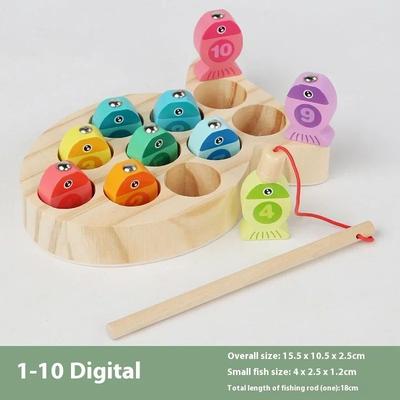
Inspire Select Wooden Montessori Fishing Toy Set Kids Number & Alphabet Learning Game For Early Education Training numbersMake learning fun and interactive with a playful educational experience. This Montessori fishing toy helps children develop essential skills while enjoying handson play. Designed for toddlers and young kids, this wooden learning toy combines...64,96 $*Shipping: 0,00 $Secure redirect to the provider
-
When do you use "ought to" and "should" and when do you not?
"Ought to" and "should" are both used to express obligation, duty, or moral correctness. They are often used interchangeably, but "ought to" is considered slightly stronger and more formal than "should." Both are used to give advice or make recommendations. However, they are not used in the negative form, as the negative form of "ought to" is "ought not to" and the negative form of "should" is "should not." Instead, "shouldn't" is used to express the negative form of "should." **
-
What exactly does the phrase "moral ought" mean within the scope of our abilities?
The phrase "moral ought" refers to the idea that there are certain actions or behaviors that we have a moral obligation or duty to perform. It implies that there is a moral standard or principle that guides our actions and decisions. When we say we "ought" to do something morally, it suggests that it is the right thing to do based on ethical considerations and principles. Ultimately, the concept of "moral ought" highlights the importance of acting in accordance with moral values and principles, even when it may be challenging or inconvenient. **
-
Is the statement "I think, therefore I am" a fallacy of the "is-ought" distinction?
The statement "I think, therefore I am" is not a fallacy of the "is-ought" distinction. The "is-ought" distinction refers to the idea that one cannot derive an "ought" (a moral or prescriptive statement) from an "is" (a descriptive statement). However, "I think, therefore I am" is a statement about existence and self-awareness, not a prescription for how one should behave. Therefore, it does not fall into the category of the "is-ought" fallacy. **
-
Is there a naturalistic fallacy when one infers from what ought to be to what is?
Yes, there is a naturalistic fallacy when one infers from what ought to be to what is. This fallacy occurs when someone assumes that just because something is a certain way, it ought to be that way. In other words, it is a mistake to derive moral or factual conclusions from natural or descriptive premises. It is important to recognize the distinction between what is and what ought to be in order to avoid this fallacy. **


Do nursing homes accept individuals with special education diplomas?
Nursing homes typically accept individuals with special education diplomas as long as they meet the facility's admission criteria and have the level of care required. However, it's important to note that nursing homes may have specific requirements for the level of care they can provide, so it's best to inquire directly with the facility to ensure they can accommodate the individual's needs. Additionally, some nursing homes may specialize in caring for individuals with specific disabilities or special needs, so it's important to research and find a facility that can provide the appropriate level of care and support. **
Why are further education courses so much more expensive than initial training programs?
Further education courses are typically more expensive than initial training programs because they often require more specialized instructors, resources, and facilities. These courses are usually more in-depth and cover advanced topics, which can increase the cost of providing the education. Additionally, further education courses may also offer certifications or degrees upon completion, which adds to the overall cost. Finally, the smaller class sizes and more personalized instruction in further education courses can also contribute to the higher cost compared to initial training programs. **
Top-Angebote
Products related to Ought:
-
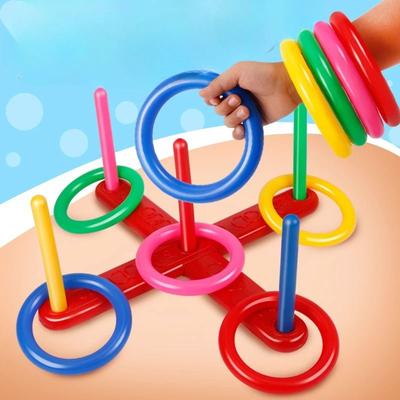
Uplifted Finds Interactive Ring Toss Training System Professional Early Education & Pediatric Fitness Infrastructure Interactive Ring Toss Training System Professional Early Education & Pediatric Fitness InfrastructureCommand ultimate developmental confidence with the Interactive Ring Toss Training System, a highperformance educational solution specifically engineered to act as a comprehensive tool for elite organization and superior technical ergonomics. Built...52,97 $*Shipping: 0,00 $Secure redirect to the provider
-
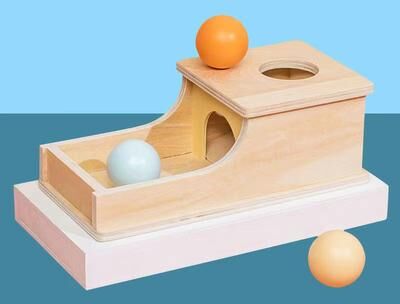
Tiny Tots Teens Trends Drawer Game Early Education Montessori Wooden Pitch Ball Box Preschool Learning Training Toy Drawer Game Early Education Montessori Wooden Pitch Ball Box Preschool Learning Training ToyThis Montessori Wooden Pitch Ball Box Drawer Game is a thoughtfully designed earlyeducation toy that transforms playtime into purposeful learning. Crafted for toddlers and preschoolers, it offers a handson, engaging way to support key developmental...39,97 $*Shipping: 0,00 $Secure redirect to the provider
-
Tiny Tots Teens Trends Montessori Baby Training, Infant Puzzle Early Education Toys, Busy Hand Grasping Ball For Baby Montessori Baby Training, Infant Puzzle Early Education Toys, Busy Hand Grasping Ball For BabyIntroduce Your Baby to the World of Learning The Infant Puzzle Early Education Toys are designed to foster cognitive and physical development in your little one. This Multifunctional Busy Ball for Montessori Baby Training is ideal for enhancing...79,97 $*Shipping: 0,00 $Secure redirect to the provider
-
Modern Mode Marketplace Brain Response Battle Cup Set Fun Baby Stack Game For Early Education, Speed And HandEye Coordination Training Brain Response Battle Cup Set Fun Baby Stack Game For Early Education, Speed And HandEye Coordination TrainingUnlock your child's potential with the Brain Response Battle Cup Set! Perfect for young learners, this exciting game combines fun and education to develop handeye coordination and response speed. Ideal for babies and toddlers, it helps improve...29,97 $*Shipping: 0,00 $Secure redirect to the provider
-
What is the meaning of "ought to"?
"Ought to" is a modal verb that is used to express obligation, duty, or moral correctness. It indicates that something is the right thing to do, or that it is necessary or advisable. It is often used to give advice or make recommendations. For example, "You ought to apologize for your mistake" suggests that it is the right or moral thing to do. **
-
Is the statement "I think, therefore I am" a being-ought fallacy?
The statement "I think, therefore I am" is not a being-ought fallacy. It is a philosophical proposition put forth by René Descartes, which asserts the existence of the self as a thinking being. It does not make any normative claims about what one ought to do or be, but rather focuses on the epistemological certainty of one's own existence as a thinking being. Therefore, it does not fall into the category of being-ought fallacy, which involves deriving an "ought" statement from a statement about being. **
-
When do you use "ought to" and "should" and when do you not?
"Ought to" and "should" are both used to express obligation, duty, or moral correctness. They are often used interchangeably, but "ought to" is considered slightly stronger and more formal than "should." Both are used to give advice or make recommendations. However, they are not used in the negative form, as the negative form of "ought to" is "ought not to" and the negative form of "should" is "should not." Instead, "shouldn't" is used to express the negative form of "should." **
-
What exactly does the phrase "moral ought" mean within the scope of our abilities?
The phrase "moral ought" refers to the idea that there are certain actions or behaviors that we have a moral obligation or duty to perform. It implies that there is a moral standard or principle that guides our actions and decisions. When we say we "ought" to do something morally, it suggests that it is the right thing to do based on ethical considerations and principles. Ultimately, the concept of "moral ought" highlights the importance of acting in accordance with moral values and principles, even when it may be challenging or inconvenient. **
Similar search terms for Ought
-
Inspire Select Wooden Montessori Fishing Toy Set Kids Number & Alphabet Learning Game For Early Education Training numbersMake learning fun and interactive with a playful educational experience. This Montessori fishing toy helps children develop essential skills while enjoying handson play. Designed for toddlers and young kids, this wooden learning toy combines...64,96 $*Shipping: 0,00 $Secure redirect to the provider
-
Canva Pro Education - 1 year SubscriptionWhen you make a purchase, you will receive an e-mail to subscribe to Canva Education , which will give you access to all the professional features of Canva Pro + 1800 free neutral Instagram post templates Please note: Brand Kite and Canva AI are not included How to Copy a Project from Your Personal Canva Account to a Canva Pro Class Account Discover the power of professional design with our annual subscription to Canva Pro. With Canva Pro, you'll have access to a wide range of premium tools and resources that will allow you to create stunning visual content for your business, personal projects, and more. Here's what you can expect with a year of Canva Pro: Unlimited access to over 100 million premium resources: Images, video, audio, graphics, and more, all ready to be used in your projects. Customisable templates: Thousands of high-quality templates for every need, from presentations to social media posts, from flyers to business cards. Advanced design tools: Features such as one-click background removal, the creation of customised brand kits, and the ability to resize your designs with a single click. Real-time collaboration: Work together with your team, leaving comments and suggestions directly in the projects, for seamless collaboration. Direct publication on social media: Schedule and publish your content directly from Canva on all major social platforms. Unlimited cloud storage: Save and organise all your projects in one place, with unlimited space. Don't miss the opportunity to take your design to the next level. With Canva Pro, the possibilities are endless. Subscribe now and start creating like a pro! How come the licence is priced so low? We offer retail licences that are used and discontinued by the previous owner since the EC ruling C-128/2011. That is why you can purchase the official licence on our site at a cheaper price. This is a product in STUDENT Version.6,87 £*Shipping: 0,00 £Secure redirect to the provider
-
PrecisionPLAY Skills Trainer Ramp RebounderPrecisionPLAY Skills Trainer Ramp Rebounder packs several training options into one setup. The angled ramp sends the ball back at different heights and angles. Good for control, volleys and quick reactions.Behind the ramp, a rebound board returns passes straight to your feet. In the centre, a...129,95 £*Shipping: 0,00 £Secure redirect to the provider
-
Is the statement "I think, therefore I am" a fallacy of the "is-ought" distinction?
The statement "I think, therefore I am" is not a fallacy of the "is-ought" distinction. The "is-ought" distinction refers to the idea that one cannot derive an "ought" (a moral or prescriptive statement) from an "is" (a descriptive statement). However, "I think, therefore I am" is a statement about existence and self-awareness, not a prescription for how one should behave. Therefore, it does not fall into the category of the "is-ought" fallacy. **
-
Is there a naturalistic fallacy when one infers from what ought to be to what is?
Yes, there is a naturalistic fallacy when one infers from what ought to be to what is. This fallacy occurs when someone assumes that just because something is a certain way, it ought to be that way. In other words, it is a mistake to derive moral or factual conclusions from natural or descriptive premises. It is important to recognize the distinction between what is and what ought to be in order to avoid this fallacy. **
-
Do nursing homes accept individuals with special education diplomas?
Nursing homes typically accept individuals with special education diplomas as long as they meet the facility's admission criteria and have the level of care required. However, it's important to note that nursing homes may have specific requirements for the level of care they can provide, so it's best to inquire directly with the facility to ensure they can accommodate the individual's needs. Additionally, some nursing homes may specialize in caring for individuals with specific disabilities or special needs, so it's important to research and find a facility that can provide the appropriate level of care and support. **
-
Why are further education courses so much more expensive than initial training programs?
Further education courses are typically more expensive than initial training programs because they often require more specialized instructors, resources, and facilities. These courses are usually more in-depth and cover advanced topics, which can increase the cost of providing the education. Additionally, further education courses may also offer certifications or degrees upon completion, which adds to the overall cost. Finally, the smaller class sizes and more personalized instruction in further education courses can also contribute to the higher cost compared to initial training programs. **
* All prices are inclusive of VAT and, if applicable, plus shipping costs. The offer information is based on the details provided by the respective shop and is updated through automated processes. Real-time updates do not occur, so deviations can occur in individual cases. ** Note: Parts of this content were created by AI.