Buy istitutoaltierospinelli.eu ?
We are moving the project
istitutoaltierospinelli.eu .
Are you interested in purchasing the domain
istitutoaltierospinelli.eu ?
domain@kv-gmbh.de · 0541-91531010
Buy istitutoaltierospinelli.eu ?
What does the competition look like for paramecia?
The competition for paramecia is primarily with other microorganisms in their environment, such as bacteria and other protozoa. They compete for resources such as food and living space. Paramecia use their cilia to move and feed on bacteria and other small organisms, and they also reproduce rapidly, allowing them to outcompete other microorganisms for resources. Additionally, paramecia may also face competition from predators such as other protozoa, small crustaceans, and even some types of algae. **
Are paramecia animal or plant single-celled organisms?
Paramecia are single-celled organisms that belong to the kingdom Protista. They are considered to be animal-like protists because they are heterotrophic, meaning they obtain their nutrients by ingesting other organisms. Paramecia are not considered to be plants because they do not perform photosynthesis and do not have cell walls made of cellulose. Instead, they have cilia for movement and feed on bacteria and other small organisms. **

Similar search terms for Paramecia
Top-Angebote
Products related to Paramecia:
-
Tiny Tots Teens Trends Drawer Game Early Education Montessori Wooden Pitch Ball Box Preschool Learning Training Toy Drawer Game Early Education Montessori Wooden Pitch Ball Box Preschool Learning Training ToyThis Montessori Wooden Pitch Ball Box Drawer Game is a thoughtfully designed earlyeducation toy that transforms playtime into purposeful learning. Crafted for toddlers and preschoolers, it offers a handson, engaging way to support key developmental...39,97 $*Shipping: 0,00 $Secure redirect to the provider
-
Tiny Tots Teens Trends Montessori Baby Training, Infant Puzzle Early Education Toys, Busy Hand Grasping Ball For Baby Montessori Baby Training, Infant Puzzle Early Education Toys, Busy Hand Grasping Ball For BabyIntroduce Your Baby to the World of Learning The Infant Puzzle Early Education Toys are designed to foster cognitive and physical development in your little one. This Multifunctional Busy Ball for Montessori Baby Training is ideal for enhancing...79,97 $*Shipping: 0,00 $Secure redirect to the provider
-
Modern Mode Marketplace Brain Response Battle Cup Set Fun Baby Stack Game For Early Education, Speed And HandEye Coordination Training Brain Response Battle Cup Set Fun Baby Stack Game For Early Education, Speed And HandEye Coordination TrainingUnlock your child's potential with the Brain Response Battle Cup Set! Perfect for young learners, this exciting game combines fun and education to develop handeye coordination and response speed. Ideal for babies and toddlers, it helps improve...29,97 $*Shipping: 0,00 $Secure redirect to the provider



-
How does nutrition and digestion occur in paramecia?
Paramecia obtain nutrition through phagocytosis, where they engulf food particles such as bacteria or algae using their cilia. Once the food particles are inside the paramecium, they are enclosed in a food vacuole. Digestive enzymes are then secreted into the food vacuole to break down the food particles into smaller molecules. These nutrients are then absorbed by the paramecium for energy and growth. Any undigested material is expelled from the cell through a process called exocytosis. **
-
How does the nutrition and digestion occur in paramecia?
Paramecia obtain nutrition through phagocytosis, where they engulf food particles such as bacteria, algae, and other organic matter. Once inside the cell, the food vacuole containing the engulfed particles fuses with lysosomes, where digestion occurs. Enzymes within the lysosomes break down the food particles into smaller molecules, which are then absorbed and utilized by the paramecium for energy and growth. Waste products are expelled from the cell through a specialized structure called the anal pore. **
-
What can be observed with a microscope in paramecia?
With a microscope, one can observe the cilia that paramecia use for movement, as well as their characteristic slipper-like shape. Additionally, the nucleus, contractile vacuoles, and food vacuoles within the paramecia can be seen under a microscope. Observing paramecia under a microscope can also reveal their feeding behavior, as they engulf food particles through a process called phagocytosis. **
-
Why do some paramecia not have a pulsating vacuole?
Some paramecia do not have a pulsating vacuole because they may live in environments with stable water conditions, such as freshwater ponds or slow-moving streams, where they do not need to actively regulate their water balance. Additionally, some species of paramecia may have evolved alternative mechanisms for maintaining water balance, such as specialized contractile vacuoles or other cellular structures. The absence of a pulsating vacuole in certain paramecia may also be a result of genetic variation and adaptation to specific ecological niches. **
What is the ecology of paramecia and yeast cells?
Paramecia are single-celled organisms that are found in freshwater environments. They are heterotrophic, meaning they feed on bacteria and other small organisms. Paramecia play a role in the ecosystem by helping to control bacterial populations and serving as a food source for larger organisms. Yeast cells are also single-celled organisms that are found in various environments, including soil, plants, and the human body. They are important in the process of fermentation, which is used in the production of bread, beer, and wine. Yeast cells also play a role in the decomposition of organic matter and are a food source for other organisms in the ecosystem. **
Why do paramecia in the sea not have pulsating vacuoles?
Paramecia in the sea do not have pulsating vacuoles because they do not need them to regulate water balance. In a marine environment, the concentration of salt outside the cell is similar to that inside the cell, so there is no need for the paramecia to actively pump out excess water. Pulsating vacuoles are more commonly found in freshwater paramecia, where they help regulate water balance by pumping out excess water that enters the cell due to osmosis. **
Top-Angebote
Products related to Paramecia:
-
Uplifted Finds Interactive Ring Toss Training System Professional Early Education & Pediatric Fitness Infrastructure Interactive Ring Toss Training System Professional Early Education & Pediatric Fitness InfrastructureCommand ultimate developmental confidence with the Interactive Ring Toss Training System, a highperformance educational solution specifically engineered to act as a comprehensive tool for elite organization and superior technical ergonomics. Built...52,97 $*Shipping: 0,00 $Secure redirect to the provider
-
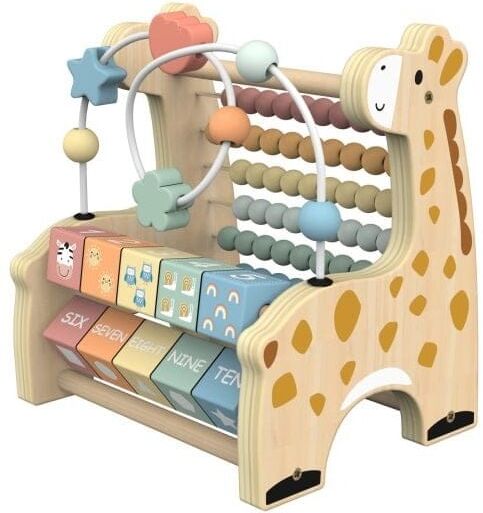
Tooky Toys Wooden Learning Giraffe - Early Education Toy for Babies - Develops Problem-Solving Skills and Hand-Eye CoordinationThe Learning Giraffe is a delightful way for little ones to discover numbers, counting, and colors. Made from smooth, durable wood, this giraffe-shaped learning board combines early education with playful charm. Kids can engage in hands-on activities, such as sliding and stacking numbers, to make math feel approachable and fun. The sturdy, natural materials help develop problem-solving skills and hand-eye coordination. The Learning Giraffe is a gentle guide into the world of numbers, perfect for practicing simple sums and exploring colorful blocks. Tooky Toys has crafted a product that brings the classroom into the playroom in a fun and imaginative way.19,45 £*Shipping: 3,95 £Secure redirect to the provider
-
Tiny Tots Teens Trends Drawer Game Early Education Montessori Wooden Pitch Ball Box Preschool Learning Training Toy Drawer Game Early Education Montessori Wooden Pitch Ball Box Preschool Learning Training ToyThis Montessori Wooden Pitch Ball Box Drawer Game is a thoughtfully designed earlyeducation toy that transforms playtime into purposeful learning. Crafted for toddlers and preschoolers, it offers a handson, engaging way to support key developmental...39,97 $*Shipping: 0,00 $Secure redirect to the provider
-
Tiny Tots Teens Trends Montessori Baby Training, Infant Puzzle Early Education Toys, Busy Hand Grasping Ball For Baby Montessori Baby Training, Infant Puzzle Early Education Toys, Busy Hand Grasping Ball For BabyIntroduce Your Baby to the World of Learning The Infant Puzzle Early Education Toys are designed to foster cognitive and physical development in your little one. This Multifunctional Busy Ball for Montessori Baby Training is ideal for enhancing...79,97 $*Shipping: 0,00 $Secure redirect to the provider
-
What does the competition look like for paramecia?
The competition for paramecia is primarily with other microorganisms in their environment, such as bacteria and other protozoa. They compete for resources such as food and living space. Paramecia use their cilia to move and feed on bacteria and other small organisms, and they also reproduce rapidly, allowing them to outcompete other microorganisms for resources. Additionally, paramecia may also face competition from predators such as other protozoa, small crustaceans, and even some types of algae. **
-
Are paramecia animal or plant single-celled organisms?
Paramecia are single-celled organisms that belong to the kingdom Protista. They are considered to be animal-like protists because they are heterotrophic, meaning they obtain their nutrients by ingesting other organisms. Paramecia are not considered to be plants because they do not perform photosynthesis and do not have cell walls made of cellulose. Instead, they have cilia for movement and feed on bacteria and other small organisms. **
-
How does nutrition and digestion occur in paramecia?
Paramecia obtain nutrition through phagocytosis, where they engulf food particles such as bacteria or algae using their cilia. Once the food particles are inside the paramecium, they are enclosed in a food vacuole. Digestive enzymes are then secreted into the food vacuole to break down the food particles into smaller molecules. These nutrients are then absorbed by the paramecium for energy and growth. Any undigested material is expelled from the cell through a process called exocytosis. **
-
How does the nutrition and digestion occur in paramecia?
Paramecia obtain nutrition through phagocytosis, where they engulf food particles such as bacteria, algae, and other organic matter. Once inside the cell, the food vacuole containing the engulfed particles fuses with lysosomes, where digestion occurs. Enzymes within the lysosomes break down the food particles into smaller molecules, which are then absorbed and utilized by the paramecium for energy and growth. Waste products are expelled from the cell through a specialized structure called the anal pore. **
Similar search terms for Paramecia
-
Modern Mode Marketplace Brain Response Battle Cup Set Fun Baby Stack Game For Early Education, Speed And HandEye Coordination Training Brain Response Battle Cup Set Fun Baby Stack Game For Early Education, Speed And HandEye Coordination TrainingUnlock your child's potential with the Brain Response Battle Cup Set! Perfect for young learners, this exciting game combines fun and education to develop handeye coordination and response speed. Ideal for babies and toddlers, it helps improve...29,97 $*Shipping: 0,00 $Secure redirect to the provider
-
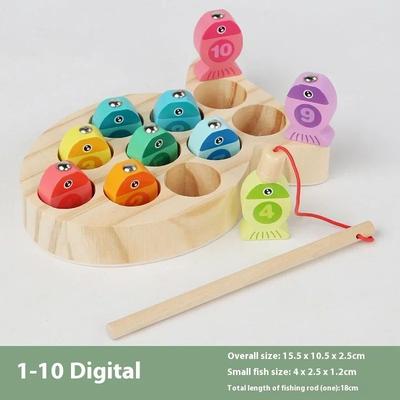
Inspire Select Wooden Montessori Fishing Toy Set Kids Number & Alphabet Learning Game For Early Education Training numbersMake learning fun and interactive with a playful educational experience. This Montessori fishing toy helps children develop essential skills while enjoying handson play. Designed for toddlers and young kids, this wooden learning toy combines...64,96 $*Shipping: 0,00 $Secure redirect to the provider
-
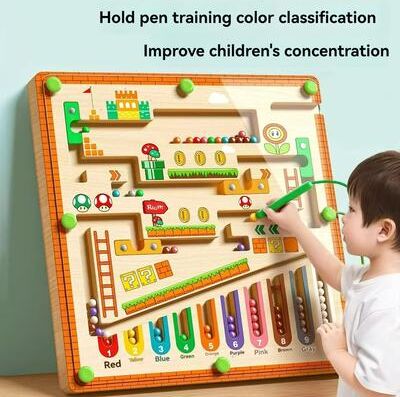
Multisell Products Hub Magnetic Maze Walking Ball, Children's Early Education Puzzle, Baby Concentration And Logic Thinking Training largeImprove Concentration with Fun Learning: Introducing the Children's Magnetic Maze Walking Ball, an engaging tool that fosters your childs concentration and cognitive skills. This interactive game is designed to help develop logic thinking while...29,97 $*Shipping: 0,00 $Secure redirect to the provider
-
What can be observed with a microscope in paramecia?
With a microscope, one can observe the cilia that paramecia use for movement, as well as their characteristic slipper-like shape. Additionally, the nucleus, contractile vacuoles, and food vacuoles within the paramecia can be seen under a microscope. Observing paramecia under a microscope can also reveal their feeding behavior, as they engulf food particles through a process called phagocytosis. **
-
Why do some paramecia not have a pulsating vacuole?
Some paramecia do not have a pulsating vacuole because they may live in environments with stable water conditions, such as freshwater ponds or slow-moving streams, where they do not need to actively regulate their water balance. Additionally, some species of paramecia may have evolved alternative mechanisms for maintaining water balance, such as specialized contractile vacuoles or other cellular structures. The absence of a pulsating vacuole in certain paramecia may also be a result of genetic variation and adaptation to specific ecological niches. **
-
What is the ecology of paramecia and yeast cells?
Paramecia are single-celled organisms that are found in freshwater environments. They are heterotrophic, meaning they feed on bacteria and other small organisms. Paramecia play a role in the ecosystem by helping to control bacterial populations and serving as a food source for larger organisms. Yeast cells are also single-celled organisms that are found in various environments, including soil, plants, and the human body. They are important in the process of fermentation, which is used in the production of bread, beer, and wine. Yeast cells also play a role in the decomposition of organic matter and are a food source for other organisms in the ecosystem. **
-
Why do paramecia in the sea not have pulsating vacuoles?
Paramecia in the sea do not have pulsating vacuoles because they do not need them to regulate water balance. In a marine environment, the concentration of salt outside the cell is similar to that inside the cell, so there is no need for the paramecia to actively pump out excess water. Pulsating vacuoles are more commonly found in freshwater paramecia, where they help regulate water balance by pumping out excess water that enters the cell due to osmosis. **
* All prices are inclusive of VAT and, if applicable, plus shipping costs. The offer information is based on the details provided by the respective shop and is updated through automated processes. Real-time updates do not occur, so deviations can occur in individual cases. ** Note: Parts of this content were created by AI.