Buy istitutoaltierospinelli.eu ?
We are moving the project
istitutoaltierospinelli.eu .
Are you interested in purchasing the domain
istitutoaltierospinelli.eu ?
domain@kv-gmbh.de · 0541-91531010
Buy istitutoaltierospinelli.eu ?
What does indicative preterite mean?
Indicative preterite is a verb tense used to describe actions that were completed in the past. It is used to express specific actions that happened at a definite point in time. In Spanish, the indicative preterite is one of the past tense forms and is used to talk about completed actions in the past. It is important to note that the indicative preterite is just one of the past tenses in Spanish, and its usage depends on the context and the specific time frame being referred to. **
When is the Preterite Imperfect used?
The Preterite Imperfect is used to describe past actions that were ongoing or habitual in the past. It is also used to describe background information or set the scene in a story. Additionally, it can be used to express simultaneous actions in the past. **
Similar search terms for Preterite
Top-Angebote
Products related to Preterite:
-
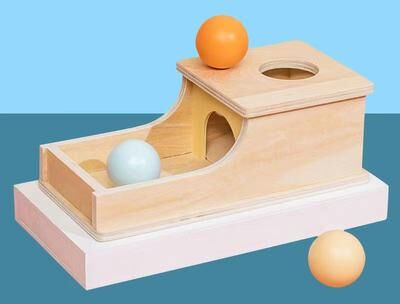
Tiny Tots Teens Trends Drawer Game Early Education Montessori Wooden Pitch Ball Box Preschool Learning Training Toy Drawer Game Early Education Montessori Wooden Pitch Ball Box Preschool Learning Training ToyThis Montessori Wooden Pitch Ball Box Drawer Game is a thoughtfully designed earlyeducation toy that transforms playtime into purposeful learning. Crafted for toddlers and preschoolers, it offers a handson, engaging way to support key developmental...39,97 $*Shipping: 0,00 $Secure redirect to the provider
-
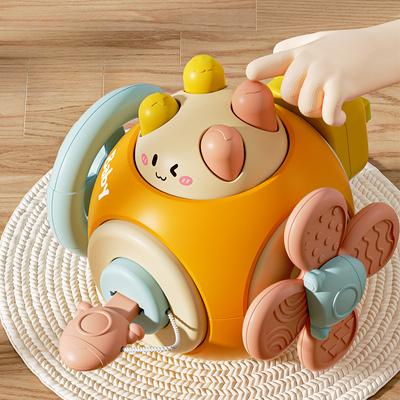
Tiny Tots Teens Trends Montessori Baby Training, Infant Puzzle Early Education Toys, Busy Hand Grasping Ball For Baby Montessori Baby Training, Infant Puzzle Early Education Toys, Busy Hand Grasping Ball For BabyIntroduce Your Baby to the World of Learning The Infant Puzzle Early Education Toys are designed to foster cognitive and physical development in your little one. This Multifunctional Busy Ball for Montessori Baby Training is ideal for enhancing...79,97 $*Shipping: 0,00 $Secure redirect to the provider
-
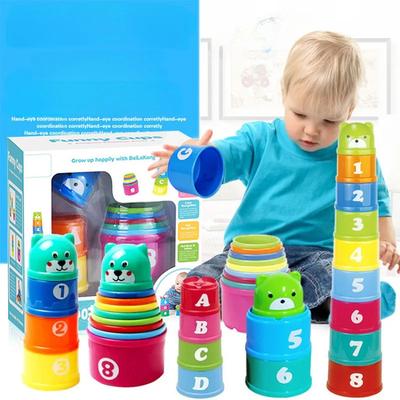
Modern Mode Marketplace Brain Response Battle Cup Set Fun Baby Stack Game For Early Education, Speed And HandEye Coordination Training Brain Response Battle Cup Set Fun Baby Stack Game For Early Education, Speed And HandEye Coordination TrainingUnlock your child's potential with the Brain Response Battle Cup Set! Perfect for young learners, this exciting game combines fun and education to develop handeye coordination and response speed. Ideal for babies and toddlers, it helps improve...29,97 $*Shipping: 0,00 $Secure redirect to the provider
-
When is the preterite tense used?
The preterite tense is used to describe completed actions in the past that are seen as single, isolated events. It is often used to narrate a series of events or actions that happened at a specific point in time. In contrast to the imperfect tense, which is used for ongoing or repeated actions in the past, the preterite tense is used for actions that have a definite beginning and end. **
-
What is the indicative present and preterite?
The indicative present is a verb tense used to describe actions that are currently happening or habitual actions. It is used to express facts, truths, or general statements. The indicative preterite, on the other hand, is a verb tense used to describe actions that were completed in the past at a specific point in time. It is used to narrate events that happened and have a clear beginning and end. **
-
When is the preterite tense used in Spanish?
The preterite tense in Spanish is used to talk about completed actions in the past that are seen as a single event. It is often used to narrate a series of completed actions or to talk about specific actions that happened at a definite point in time. The preterite is also used to express actions that were completed in the past and have no connection to the present. **
-
What are the triggers for the preterite tense?
The preterite tense is used to talk about completed actions in the past. The triggers for the preterite tense include specific time markers such as yesterday, last week, or last year, as well as specific actions or events that occurred at a definite point in the past. Additionally, the preterite tense is often used when narrating a series of completed actions or events in a story or recounting a sequence of past events. **
What is the difference between Perfect and Preterite?
The main difference between Perfect and Preterite is the aspect of completion. The Perfect tense is used to indicate actions that have been completed or that have relevance to the present moment, while the Preterite tense is used to indicate actions that were completed in the past with a specific time frame. In other words, the Perfect tense focuses on the result or current relevance of the action, while the Preterite tense focuses on the action itself in the past. **
Is the text in the preterite perfect (Spanish) correct?
Without seeing the specific text in question, it is difficult to determine if the preterite perfect tense in Spanish is used correctly. However, the preterite perfect tense is formed by using the auxiliary verb "haber" in the preterite tense followed by the past participle of the main verb. For example, "yo había comido" (I had eaten). If the text follows this structure and contextually makes sense, then it is likely correct. If you have a specific example in mind, feel free to provide it for a more accurate assessment. **
Top-Angebote
Products related to Preterite:
-
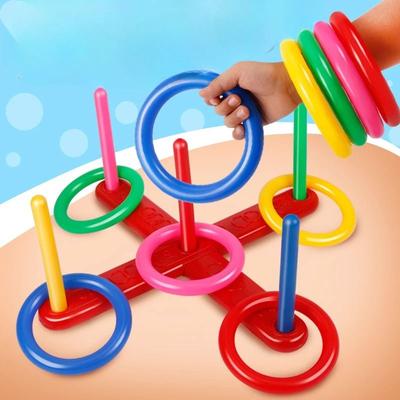
Uplifted Finds Interactive Ring Toss Training System Professional Early Education & Pediatric Fitness Infrastructure Interactive Ring Toss Training System Professional Early Education & Pediatric Fitness InfrastructureCommand ultimate developmental confidence with the Interactive Ring Toss Training System, a highperformance educational solution specifically engineered to act as a comprehensive tool for elite organization and superior technical ergonomics. Built...52,97 $*Shipping: 0,00 $Secure redirect to the provider
-
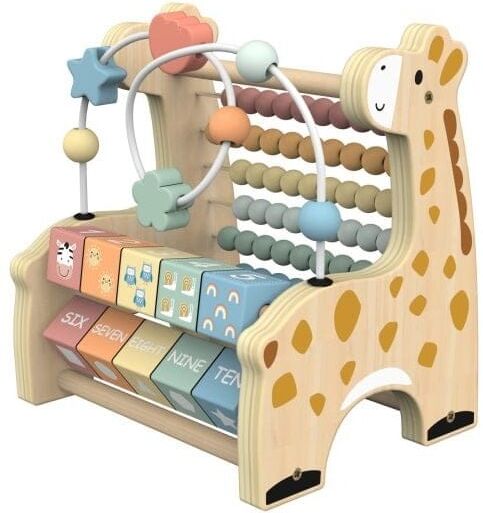
Tooky Toys Wooden Learning Giraffe - Early Education Toy for Babies - Develops Problem-Solving Skills and Hand-Eye CoordinationThe Learning Giraffe is a delightful way for little ones to discover numbers, counting, and colors. Made from smooth, durable wood, this giraffe-shaped learning board combines early education with playful charm. Kids can engage in hands-on activities, such as sliding and stacking numbers, to make math feel approachable and fun. The sturdy, natural materials help develop problem-solving skills and hand-eye coordination. The Learning Giraffe is a gentle guide into the world of numbers, perfect for practicing simple sums and exploring colorful blocks. Tooky Toys has crafted a product that brings the classroom into the playroom in a fun and imaginative way.19,59 £*Shipping: 3,95 £Secure redirect to the provider
-
Tiny Tots Teens Trends Drawer Game Early Education Montessori Wooden Pitch Ball Box Preschool Learning Training Toy Drawer Game Early Education Montessori Wooden Pitch Ball Box Preschool Learning Training ToyThis Montessori Wooden Pitch Ball Box Drawer Game is a thoughtfully designed earlyeducation toy that transforms playtime into purposeful learning. Crafted for toddlers and preschoolers, it offers a handson, engaging way to support key developmental...39,97 $*Shipping: 0,00 $Secure redirect to the provider
-
Tiny Tots Teens Trends Montessori Baby Training, Infant Puzzle Early Education Toys, Busy Hand Grasping Ball For Baby Montessori Baby Training, Infant Puzzle Early Education Toys, Busy Hand Grasping Ball For BabyIntroduce Your Baby to the World of Learning The Infant Puzzle Early Education Toys are designed to foster cognitive and physical development in your little one. This Multifunctional Busy Ball for Montessori Baby Training is ideal for enhancing...79,97 $*Shipping: 0,00 $Secure redirect to the provider
-
What does indicative preterite mean?
Indicative preterite is a verb tense used to describe actions that were completed in the past. It is used to express specific actions that happened at a definite point in time. In Spanish, the indicative preterite is one of the past tense forms and is used to talk about completed actions in the past. It is important to note that the indicative preterite is just one of the past tenses in Spanish, and its usage depends on the context and the specific time frame being referred to. **
-
When is the Preterite Imperfect used?
The Preterite Imperfect is used to describe past actions that were ongoing or habitual in the past. It is also used to describe background information or set the scene in a story. Additionally, it can be used to express simultaneous actions in the past. **
-
When is the preterite tense used?
The preterite tense is used to describe completed actions in the past that are seen as single, isolated events. It is often used to narrate a series of events or actions that happened at a specific point in time. In contrast to the imperfect tense, which is used for ongoing or repeated actions in the past, the preterite tense is used for actions that have a definite beginning and end. **
-
What is the indicative present and preterite?
The indicative present is a verb tense used to describe actions that are currently happening or habitual actions. It is used to express facts, truths, or general statements. The indicative preterite, on the other hand, is a verb tense used to describe actions that were completed in the past at a specific point in time. It is used to narrate events that happened and have a clear beginning and end. **
Similar search terms for Preterite
-
Modern Mode Marketplace Brain Response Battle Cup Set Fun Baby Stack Game For Early Education, Speed And HandEye Coordination Training Brain Response Battle Cup Set Fun Baby Stack Game For Early Education, Speed And HandEye Coordination TrainingUnlock your child's potential with the Brain Response Battle Cup Set! Perfect for young learners, this exciting game combines fun and education to develop handeye coordination and response speed. Ideal for babies and toddlers, it helps improve...29,97 $*Shipping: 0,00 $Secure redirect to the provider
-
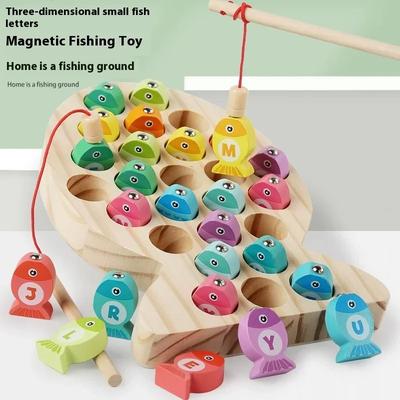
Inspire Select Wooden Montessori Fishing Toy Set Kids Number & Alphabet Learning Game For Early Education Training lettersMake learning fun and interactive with a playful educational experience. This Montessori fishing toy helps children develop essential skills while enjoying handson play. Designed for toddlers and young kids, this wooden learning toy combines...96,97 $*Shipping: 0,00 $Secure redirect to the provider
-
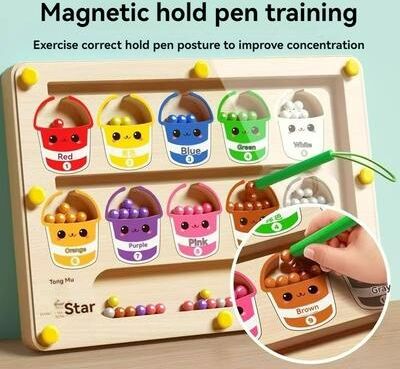
Multisell Products Hub Magnetic Maze Walking Ball, Children's Early Education Puzzle, Baby Concentration And Logic Thinking Training mediumImprove Concentration with Fun Learning: Introducing the Children's Magnetic Maze Walking Ball, an engaging tool that fosters your childs concentration and cognitive skills. This interactive game is designed to help develop logic thinking while...27,97 $*Shipping: 0,00 $Secure redirect to the provider
-
When is the preterite tense used in Spanish?
The preterite tense in Spanish is used to talk about completed actions in the past that are seen as a single event. It is often used to narrate a series of completed actions or to talk about specific actions that happened at a definite point in time. The preterite is also used to express actions that were completed in the past and have no connection to the present. **
-
What are the triggers for the preterite tense?
The preterite tense is used to talk about completed actions in the past. The triggers for the preterite tense include specific time markers such as yesterday, last week, or last year, as well as specific actions or events that occurred at a definite point in the past. Additionally, the preterite tense is often used when narrating a series of completed actions or events in a story or recounting a sequence of past events. **
-
What is the difference between Perfect and Preterite?
The main difference between Perfect and Preterite is the aspect of completion. The Perfect tense is used to indicate actions that have been completed or that have relevance to the present moment, while the Preterite tense is used to indicate actions that were completed in the past with a specific time frame. In other words, the Perfect tense focuses on the result or current relevance of the action, while the Preterite tense focuses on the action itself in the past. **
-
Is the text in the preterite perfect (Spanish) correct?
Without seeing the specific text in question, it is difficult to determine if the preterite perfect tense in Spanish is used correctly. However, the preterite perfect tense is formed by using the auxiliary verb "haber" in the preterite tense followed by the past participle of the main verb. For example, "yo había comido" (I had eaten). If the text follows this structure and contextually makes sense, then it is likely correct. If you have a specific example in mind, feel free to provide it for a more accurate assessment. **
* All prices are inclusive of VAT and, if applicable, plus shipping costs. The offer information is based on the details provided by the respective shop and is updated through automated processes. Real-time updates do not occur, so deviations can occur in individual cases. ** Note: Parts of this content were created by AI.