Buy istitutoaltierospinelli.eu ?
We are moving the project
istitutoaltierospinelli.eu .
Are you interested in purchasing the domain
istitutoaltierospinelli.eu ?
domain@kv-gmbh.de · 0541-91531010
Buy istitutoaltierospinelli.eu ?
What are manual skills?
Manual skills refer to the ability to use one's hands and physical dexterity to perform tasks that require precision, coordination, and control. These skills can include activities such as woodworking, sewing, painting, and assembling objects. Manual skills are important for a wide range of activities in both professional and personal settings, and they are often developed through practice and experience. These skills are essential for many trades and crafts, as well as for activities that require fine motor control and hand-eye coordination. **
"Apply despite lacking manual skills?"
Yes, it is possible to apply for a job even if you lack manual skills. Many jobs do not require manual skills and instead focus on other qualities such as problem-solving abilities, communication skills, and critical thinking. If you are interested in a job that requires manual skills, you can always learn and improve those skills through training and practice. It is important to highlight your strengths and willingness to learn in your job application to show your potential value to the employer. **

Similar search terms for STC-T405389-Mounting-manual
Top-Angebote
Products related to STC-T405389-Mounting-manual:
-
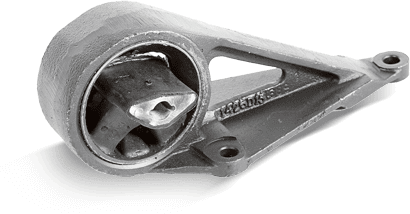
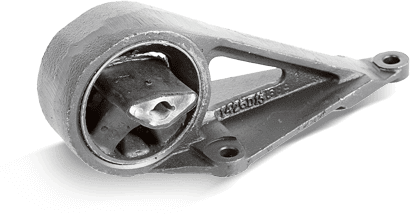
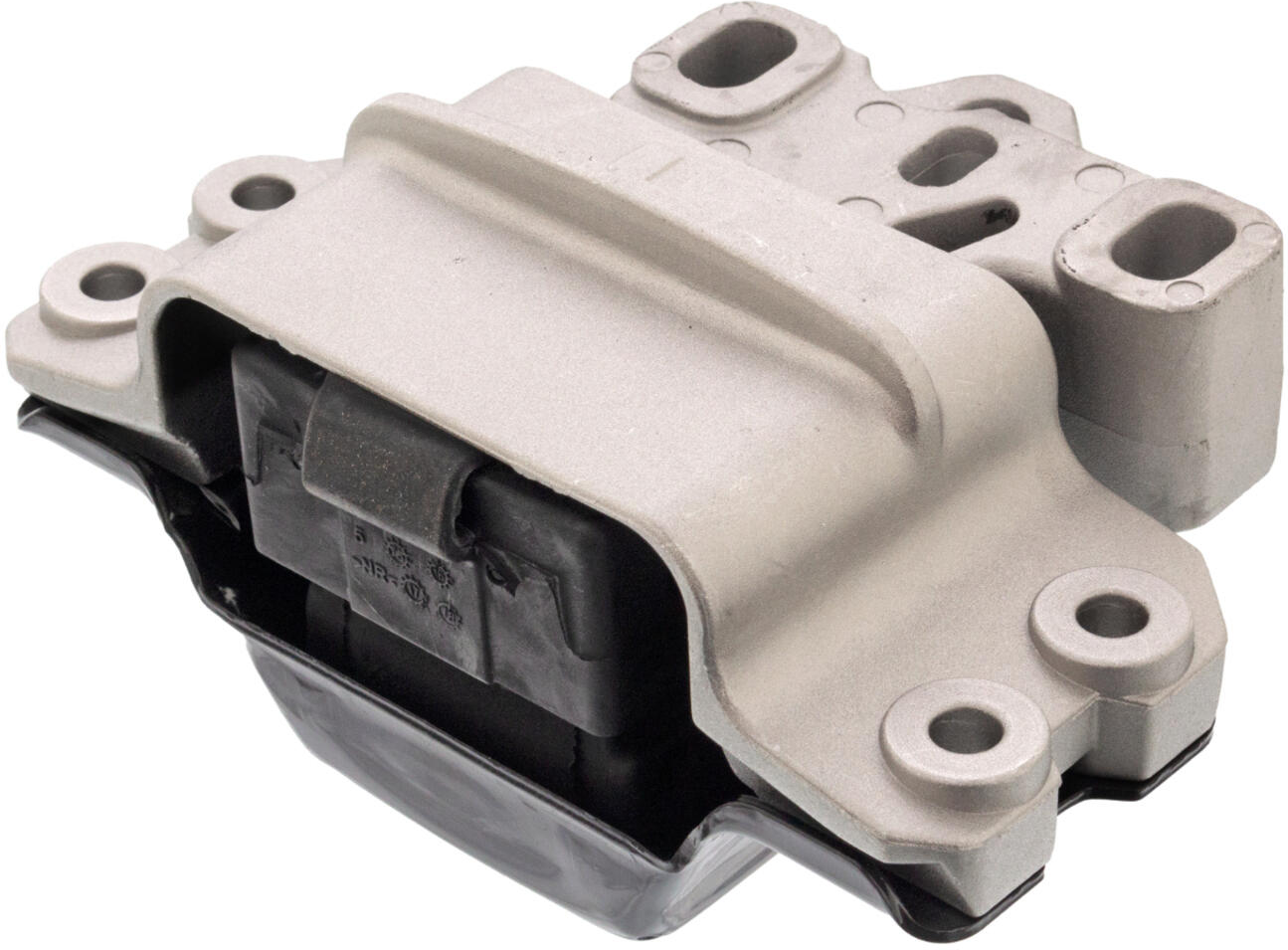
STC T404358 Mounting, manual transmissionWeight [kg]: 0,12; Height 1 [mm]: 53,2; Height 2 [mm]: 62; Material: Elastomer; Inner Diameter [mm]: 12,5; Outer Diameter [mm]: 33,9; Mounting Type: Rubber-Metal Mount; Weight [g]: 120; Fitting Position: Front Axle Left9,59 £*Shipping: 8,45 £Secure redirect to the provider
-
"Apply despite lack of manual skills?"
Yes, it is possible to apply for a job even if you lack manual skills. Many jobs require a variety of skills beyond just manual dexterity, such as problem-solving, communication, and critical thinking. Highlighting your strengths in these areas and showing a willingness to learn new skills can make you a strong candidate for a job, even if it involves tasks that you may not have experience with. Additionally, many employers offer training and support to help employees develop the necessary skills for the job. **
-
What are manual and technical skills?
Manual skills refer to the ability to perform tasks using physical abilities, such as hand-eye coordination, dexterity, and strength. These skills are typically acquired through practice and experience. Technical skills, on the other hand, involve the knowledge and proficiency in using tools, equipment, or technology to perform specific tasks. These skills are often learned through training and education and are essential in various professions and industries. Both manual and technical skills are important for individuals to effectively carry out their responsibilities and excel in their chosen fields. **
-
"Apply despite a lack of manual skills?"
Yes, it is possible to apply for a job even if you lack manual skills. Many jobs do not require manual skills and instead focus on other abilities such as problem-solving, communication, organization, and critical thinking. Highlighting your strengths in these areas during the application process can help demonstrate your qualifications for the job, even if you do not have strong manual skills. Additionally, you can always work on improving your manual skills through training or practice if the job requires them. **
-
"Mortar or mounting foam?"
The choice between mortar or mounting foam depends on the specific project and the materials being used. Mortar is a traditional and durable option for securing heavy materials like bricks or stone, while mounting foam is a versatile and easy-to-use option for lighter materials like insulation or trim. Consider the weight and type of material being installed, as well as the specific requirements of the project, when deciding between mortar or mounting foam. **

What is a standoff mounting?
A standoff mounting is a type of hardware used to secure and display items such as signs, artwork, or glass panels. It consists of a set of standoffs, which are small metal or plastic cylinders that are attached to the wall or surface, and screws or bolts that secure the item in place. The standoffs create a space between the item and the wall, giving it a floating or three-dimensional effect. This type of mounting is often used for aesthetic purposes, as it creates a modern and sleek look for the displayed item. **
Doesn't the mounting adhesive hold?
The mounting adhesive is designed to securely hold the item in place, but it may not be strong enough for heavier items or in certain conditions. Factors such as the weight of the item, the surface it is being mounted on, and environmental factors can all affect the adhesive's ability to hold. It's always a good idea to follow the manufacturer's instructions and consider using additional support or reinforcement if needed. **
Top-Angebote
Products related to STC-T405389-Mounting-manual:
-
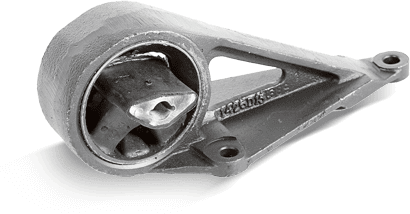
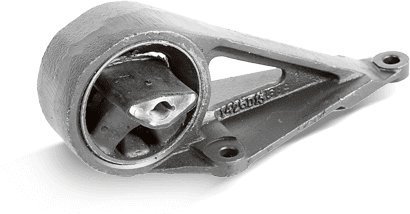
STC T404358 Mounting, manual transmissionWeight [kg]: 0,12; Height 1 [mm]: 53,2; Height 2 [mm]: 62; Material: Elastomer; Inner Diameter [mm]: 12,5; Outer Diameter [mm]: 33,9; Mounting Type: Rubber-Metal Mount; Weight [g]: 120; Fitting Position: Front Axle Left9,59 £*Shipping: 8,45 £Secure redirect to the provider
-
What are manual skills?
Manual skills refer to the ability to use one's hands and physical dexterity to perform tasks that require precision, coordination, and control. These skills can include activities such as woodworking, sewing, painting, and assembling objects. Manual skills are important for a wide range of activities in both professional and personal settings, and they are often developed through practice and experience. These skills are essential for many trades and crafts, as well as for activities that require fine motor control and hand-eye coordination. **
-
"Apply despite lacking manual skills?"
Yes, it is possible to apply for a job even if you lack manual skills. Many jobs do not require manual skills and instead focus on other qualities such as problem-solving abilities, communication skills, and critical thinking. If you are interested in a job that requires manual skills, you can always learn and improve those skills through training and practice. It is important to highlight your strengths and willingness to learn in your job application to show your potential value to the employer. **
-
"Apply despite lack of manual skills?"
Yes, it is possible to apply for a job even if you lack manual skills. Many jobs require a variety of skills beyond just manual dexterity, such as problem-solving, communication, and critical thinking. Highlighting your strengths in these areas and showing a willingness to learn new skills can make you a strong candidate for a job, even if it involves tasks that you may not have experience with. Additionally, many employers offer training and support to help employees develop the necessary skills for the job. **
-
What are manual and technical skills?
Manual skills refer to the ability to perform tasks using physical abilities, such as hand-eye coordination, dexterity, and strength. These skills are typically acquired through practice and experience. Technical skills, on the other hand, involve the knowledge and proficiency in using tools, equipment, or technology to perform specific tasks. These skills are often learned through training and education and are essential in various professions and industries. Both manual and technical skills are important for individuals to effectively carry out their responsibilities and excel in their chosen fields. **
Similar search terms for STC-T405389-Mounting-manual
-
"Apply despite a lack of manual skills?"
Yes, it is possible to apply for a job even if you lack manual skills. Many jobs do not require manual skills and instead focus on other abilities such as problem-solving, communication, organization, and critical thinking. Highlighting your strengths in these areas during the application process can help demonstrate your qualifications for the job, even if you do not have strong manual skills. Additionally, you can always work on improving your manual skills through training or practice if the job requires them. **
-
"Mortar or mounting foam?"
The choice between mortar or mounting foam depends on the specific project and the materials being used. Mortar is a traditional and durable option for securing heavy materials like bricks or stone, while mounting foam is a versatile and easy-to-use option for lighter materials like insulation or trim. Consider the weight and type of material being installed, as well as the specific requirements of the project, when deciding between mortar or mounting foam. **
-
What is a standoff mounting?
A standoff mounting is a type of hardware used to secure and display items such as signs, artwork, or glass panels. It consists of a set of standoffs, which are small metal or plastic cylinders that are attached to the wall or surface, and screws or bolts that secure the item in place. The standoffs create a space between the item and the wall, giving it a floating or three-dimensional effect. This type of mounting is often used for aesthetic purposes, as it creates a modern and sleek look for the displayed item. **
-
Doesn't the mounting adhesive hold?
The mounting adhesive is designed to securely hold the item in place, but it may not be strong enough for heavier items or in certain conditions. Factors such as the weight of the item, the surface it is being mounted on, and environmental factors can all affect the adhesive's ability to hold. It's always a good idea to follow the manufacturer's instructions and consider using additional support or reinforcement if needed. **
* All prices are inclusive of VAT and, if applicable, plus shipping costs. The offer information is based on the details provided by the respective shop and is updated through automated processes. Real-time updates do not occur, so deviations can occur in individual cases. ** Note: Parts of this content were created by AI.