Buy istitutoaltierospinelli.eu ?
We are moving the project
istitutoaltierospinelli.eu .
Are you interested in purchasing the domain
istitutoaltierospinelli.eu ?
domain@kv-gmbh.de · 0541-91531010
Buy istitutoaltierospinelli.eu ?
What is Psychology 10051?
Psychology 10051 is an introductory course in psychology that covers the basic principles and theories of the field. It typically provides an overview of various topics such as research methods, biological bases of behavior, cognitive processes, developmental psychology, social psychology, and abnormal psychology. This course is designed to give students a foundational understanding of the key concepts in psychology and prepare them for more advanced coursework in the discipline. **
How can the NXT color sensor and light sensor be programmed?
The NXT color sensor and light sensor can be programmed using the NXT-G programming software, which allows users to create custom programs for the sensors. The software provides a range of pre-built blocks that can be used to control and read data from the sensors, making it easy to create complex behaviors. Additionally, the sensors can be programmed using other programming languages such as RobotC or Java, which provide more advanced capabilities for controlling and processing sensor data. Overall, the NXT color sensor and light sensor can be programmed using a variety of tools and languages to suit the needs of the user. **


Similar search terms for TRISCAN-8626-10051-Sensor
Top-Angebote
Products related to TRISCAN-8626-10051-Sensor:
-
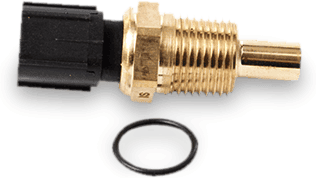
TRISCAN 8626 23005 Sensor, coolant temperatureColour Coding: black; Thread Size: M14 X 1,5; Spanner Size: 19; Number of pins: 2; Engine Number from: *001546, *006578, 005226, 004320, 022020, 042471, 001023; Vehicle type: S320; TecDoc Engine Number: 11250, 5235, 22149, 22703, 17850, 5682, 25279, 35871; for special equipment code: 807; Instruments: with water temperature gauge; Engine Code: 111984NGT, 651958, 65195028,99 £*Shipping: 8,45 £Secure redirect to the provider

-
Is the sensor of my Nikon D5100 a full-frame sensor?
No, the sensor of the Nikon D5100 is not a full-frame sensor. It is an APS-C sized sensor, which is smaller than a full-frame sensor. This means that the field of view captured by the sensor is narrower compared to a full-frame sensor, resulting in a crop factor of approximately 1.5x for Nikon DX format cameras like the D5100. **
-
What is the light sensor and what is the rain sensor?
A light sensor is a device that detects the presence or absence of light. It measures the intensity of light in its surroundings and can be used to automatically adjust lighting levels in response to changing light conditions. On the other hand, a rain sensor is a device that detects the presence of rain or moisture. It is commonly used in automated irrigation systems to prevent watering when it is raining, conserving water and preventing overwatering of plants. **
-
Inductive or Hall sensor?
The choice between an inductive sensor and a Hall sensor depends on the specific application and requirements. Inductive sensors are typically used for non-contact detection of metallic objects and are suitable for harsh industrial environments due to their robustness. On the other hand, Hall sensors are used for detecting the presence of magnetic fields and are often used in applications such as position sensing and speed detection. Ultimately, the decision between the two sensors should be based on the specific needs of the application, including the type of target object and the environmental conditions. **
-
Which sensor is this?
This is a photoelectric sensor. It uses a light emitter and a receiver to detect the presence or absence of an object. When the emitted light is interrupted by an object, the sensor detects the change and triggers a response, such as turning on a light or stopping a conveyor belt. Photoelectric sensors are commonly used in industrial automation, packaging, and material handling applications. **

What is the difference between a distance sensor and a displacement sensor?
A distance sensor measures the distance between the sensor and an object, providing a continuous reading of the distance. On the other hand, a displacement sensor measures the change in position of an object from a reference point, providing a reading of the displacement from the initial position. In summary, while a distance sensor provides the current distance to an object, a displacement sensor measures the change in position from a starting point. **
Can a sensor get damaged?
Yes, sensors can get damaged due to various reasons such as physical impact, exposure to extreme temperatures, moisture, or electrical issues. Damage to a sensor can result in inaccurate readings or complete malfunction. It is important to handle sensors with care and follow manufacturer's guidelines to prevent damage and ensure their proper functioning. Regular maintenance and calibration can also help in detecting and addressing any potential issues before they cause significant damage. **
Top-Angebote
Products related to TRISCAN-8626-10051-Sensor:
-
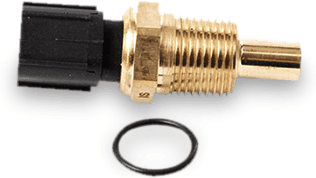
TRISCAN 8626 10051 Sensor, coolant temperatureColour Coding: blue; Thread Size: M14 X 1,25; Spanner Size: 24; Number of pins: 4; Vehicle Equipment: for vehicles with air conditioning, for vehicles without air conditioning; TecDoc Engine Number: 9868, 10708; Vehicle type: Berlingo MultiSpace, Dispatch, Jumpy, Partner, Ranch, Berlingo; Emissions Standard: Euro 2; Engine Code: DW831,99 £*Shipping: 8,45 £Secure redirect to the provider
-
What is Psychology 10051?
Psychology 10051 is an introductory course in psychology that covers the basic principles and theories of the field. It typically provides an overview of various topics such as research methods, biological bases of behavior, cognitive processes, developmental psychology, social psychology, and abnormal psychology. This course is designed to give students a foundational understanding of the key concepts in psychology and prepare them for more advanced coursework in the discipline. **
-
How can the NXT color sensor and light sensor be programmed?
The NXT color sensor and light sensor can be programmed using the NXT-G programming software, which allows users to create custom programs for the sensors. The software provides a range of pre-built blocks that can be used to control and read data from the sensors, making it easy to create complex behaviors. Additionally, the sensors can be programmed using other programming languages such as RobotC or Java, which provide more advanced capabilities for controlling and processing sensor data. Overall, the NXT color sensor and light sensor can be programmed using a variety of tools and languages to suit the needs of the user. **
-
Is the sensor of my Nikon D5100 a full-frame sensor?
No, the sensor of the Nikon D5100 is not a full-frame sensor. It is an APS-C sized sensor, which is smaller than a full-frame sensor. This means that the field of view captured by the sensor is narrower compared to a full-frame sensor, resulting in a crop factor of approximately 1.5x for Nikon DX format cameras like the D5100. **
-
What is the light sensor and what is the rain sensor?
A light sensor is a device that detects the presence or absence of light. It measures the intensity of light in its surroundings and can be used to automatically adjust lighting levels in response to changing light conditions. On the other hand, a rain sensor is a device that detects the presence of rain or moisture. It is commonly used in automated irrigation systems to prevent watering when it is raining, conserving water and preventing overwatering of plants. **
Similar search terms for TRISCAN-8626-10051-Sensor
-
TRISCAN 8626 23005 Sensor, coolant temperatureColour Coding: black; Thread Size: M14 X 1,5; Spanner Size: 19; Number of pins: 2; Engine Number from: *001546, *006578, 005226, 004320, 022020, 042471, 001023; Vehicle type: S320; TecDoc Engine Number: 11250, 5235, 22149, 22703, 17850, 5682, 25279, 35871; for special equipment code: 807; Instruments: with water temperature gauge; Engine Code: 111984NGT, 651958, 65195028,99 £*Shipping: 8,45 £Secure redirect to the provider
-
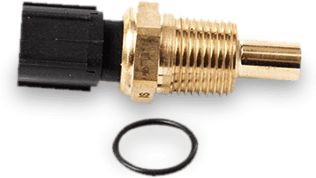
TRISCAN 8626 10043 Sensor, coolant temperatureColour Coding: grey; Number of pins: 2; Diameter: 19; Construction Year from: 12/1999, 10/2000, 02/2000, 02/2006, 01/2008; Engine Code: IQDA/IQDB/IQDC, MUDA/MUDD, JQDA/JQDB, JTDA/JTDB, PNDA/PNDD, U5JA, XTDA/XTDB, LCBD, MEBA, REBA, HWDA/HWDB/SHDA/SHDB, SHDC, HXDA/HXDB/SIDA, AODA/AODB/AODE/SYDA, Q7DA/QQDA/QQDB, STJA/STJB/STJC/STJD, SNJA/SNJB/SNJC/SNJD, HXJA/HXJB/HXJE/RVJA, HXJB/HXJE, M1DA/M1DC/M1DD, UHFA/UHFB/UHFC, M2DA/M2DB/M2DC, SFDA/SFDB, SYDA, RTJA/RTJB/RTJD, SPJA/SPJC/SPJE, SIDA, MGDA, YUDA, M2GA/M2GB, R9DA/R9DB, R9DC/R9DD, XMJA/XMJB/XMJC/XMJD, SFJA/SFJB/SFJC/SFJD, M1JE/M1JH, IQJA/IQJC/IQJE, P4JA/P4JB/P4JC/P4JD, JTJA/JTJB, YYJA/YYJB, MUDA, XQDA, JTJC, M8DA/M8DB, M9DA/M9DB, M8DD/M8DE, YVDA, XTJA, IQDA/IQDB, M1DH, HWDA, Q7DA/QQDA, HXJA/HXJB, SPJA/SPJC, STJA/STJB; TecDoc Engine Number: 25874, 33175, 33176, 25878, 25880, 33177, 33174, 21247, 24345, 24346, 23365, 23366, 18507, 24347, 23368, 18788, 18787, 24410, 33190, 33191, 24411, 32760, 32761, 24415, 39506, 44611, 33182, 26468, 26469, 30309, 33178, 39488, 23538, 24412, 34948, 31109, 33169, 35653, 27836, 33188, 33189, 27834, 31015, 31016, 32762, 33192, 33193, 27838, 31511, 31512, 24414, 33194, 31078, 29722, 29724, 39491, 39492; Vehicle Identification Number (VIN) from: 380304, 396179, 391517, 40954, 71822, 23329; Vehicle type: Transit 280, Transit 300, Transit 330, Transit 350, Transit 260, Transit 250, Transit 460, Jumper, Relay, PUMA C, Transit 430, Transit 370, Version 2, Tourneo Connect, Grand Tourneo Connec, Transit Custom 300, Transit Custom 310, Transit Custom 330, Transit Custom 250, Transit Custom 270, Transit Custom 290, Transit 410, Transit 470, Transit 290, Transit 310, Kuga; Body Type: Pickup; Construction Year to: 12/2003; for model code: BK/C5, BL/C6, BM/C4; Fitting Position: Lower; Vehicle Equipment Line/Trim Level: ECONETIC(+)16,49 £*Shipping: 8,45 £Secure redirect to the provider
-
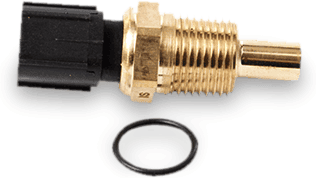
TRISCAN 8626 10045 Sensor, coolant temperatureColour Coding: green; Number of pins: 2; Diameter: 20; TecDoc Engine Number: 24935, 25882, 25884, 28125, 27064, 27967, 32320, 26332, 24420, 24421, 25206, 18793, 25061, 17507, 18511, 18790, 24352, 24660, 18478, 18479, 20147, 35775, 45594, 17506, 17509, 18520, 23543, 24417, 25633, 23542, 24419, 26421, 31042, 26985, 33196, 33197, 31490, 32307, 27968, 29875, 37135, 29876, 29879, 29880, 34949, 31074, 25097, 25096, 32876, 51614, 45746; Fitting Position: Left; Engine Code: T3DA/T3DB, T1DA/T1DB, TYDA, UFDB, TXDB, F6JD/KVJA, T3JA/TZJA/TZJB, G8DC/MTDA, G6DE/G6DF, G8DA, UKDB, G6DA/G6DB/G6DD/G6DG, GPDA/GPDB/GPDC/HHDA, HHDB, HHJC/HHJD/HHJE, IXDA, F6JB/F6JD, HHJF/UBJA, DV6TED4B, NGDA/NGDB, UGJC/XUJA/XUJB, XXDA/XXDC/XXDD, AEDA/XXDB, XWDA/XWDB/XWDC, XWDD/XWDE, XXDA/XXDC, XVJB/XVJC, XXDB, XWDA/XWDB, XWDC/XWDD, DV6C, G6DB, HHDA; Construction Year from: 09/2000, 04/2002, 05/2002, 01/2003, 12/2001; Vehicle type: Dispatch, Jumpy, Expert Tepee, EXPERT, Partner, Ranch, Berlingo MultiSpace, Berlingo First, 207, 207+, Partner MPV, Partner Origin, Berlingo, Tourneo Connect, Grand Tourneo Connec, Kuga; for RPO number from: 09268, 09334; VET Number from: 0009304; Engine Number from: 941439, 0941438; for model code: Grand Vitara, Grand Vitara XL-7; Vehicle Equipment Line/Trim Level: ECONETIC(-); Emissions Standard: Euro 4/Euro 513,49 £*Shipping: 8,45 £Secure redirect to the provider
-
Inductive or Hall sensor?
The choice between an inductive sensor and a Hall sensor depends on the specific application and requirements. Inductive sensors are typically used for non-contact detection of metallic objects and are suitable for harsh industrial environments due to their robustness. On the other hand, Hall sensors are used for detecting the presence of magnetic fields and are often used in applications such as position sensing and speed detection. Ultimately, the decision between the two sensors should be based on the specific needs of the application, including the type of target object and the environmental conditions. **
-
Which sensor is this?
This is a photoelectric sensor. It uses a light emitter and a receiver to detect the presence or absence of an object. When the emitted light is interrupted by an object, the sensor detects the change and triggers a response, such as turning on a light or stopping a conveyor belt. Photoelectric sensors are commonly used in industrial automation, packaging, and material handling applications. **
-
What is the difference between a distance sensor and a displacement sensor?
A distance sensor measures the distance between the sensor and an object, providing a continuous reading of the distance. On the other hand, a displacement sensor measures the change in position of an object from a reference point, providing a reading of the displacement from the initial position. In summary, while a distance sensor provides the current distance to an object, a displacement sensor measures the change in position from a starting point. **
-
Can a sensor get damaged?
Yes, sensors can get damaged due to various reasons such as physical impact, exposure to extreme temperatures, moisture, or electrical issues. Damage to a sensor can result in inaccurate readings or complete malfunction. It is important to handle sensors with care and follow manufacturer's guidelines to prevent damage and ensure their proper functioning. Regular maintenance and calibration can also help in detecting and addressing any potential issues before they cause significant damage. **
* All prices are inclusive of VAT and, if applicable, plus shipping costs. The offer information is based on the details provided by the respective shop and is updated through automated processes. Real-time updates do not occur, so deviations can occur in individual cases. ** Note: Parts of this content were created by AI.