Buy istitutoaltierospinelli.eu ?
We are moving the project
istitutoaltierospinelli.eu .
Are you interested in purchasing the domain
istitutoaltierospinelli.eu ?
domain@kv-gmbh.de · 0541-91531010
Buy istitutoaltierospinelli.eu ?
Is sunflower oil a vegetable oil?
Yes, sunflower oil is a type of vegetable oil. It is extracted from the seeds of the sunflower plant and is commonly used for cooking and frying. Like other vegetable oils, sunflower oil is high in unsaturated fats and low in saturated fats, making it a healthier option for cooking. **
Can vegetable oil evaporate?
Yes, vegetable oil can evaporate. Evaporation is the process by which a liquid turns into a gas, and this can occur with vegetable oil when it is exposed to heat. When vegetable oil is heated, the molecules gain energy and move more quickly, eventually reaching a point where they break free from the liquid and become a gas. This process is similar to the evaporation of water, but it occurs at a higher temperature due to the different chemical properties of vegetable oil. **
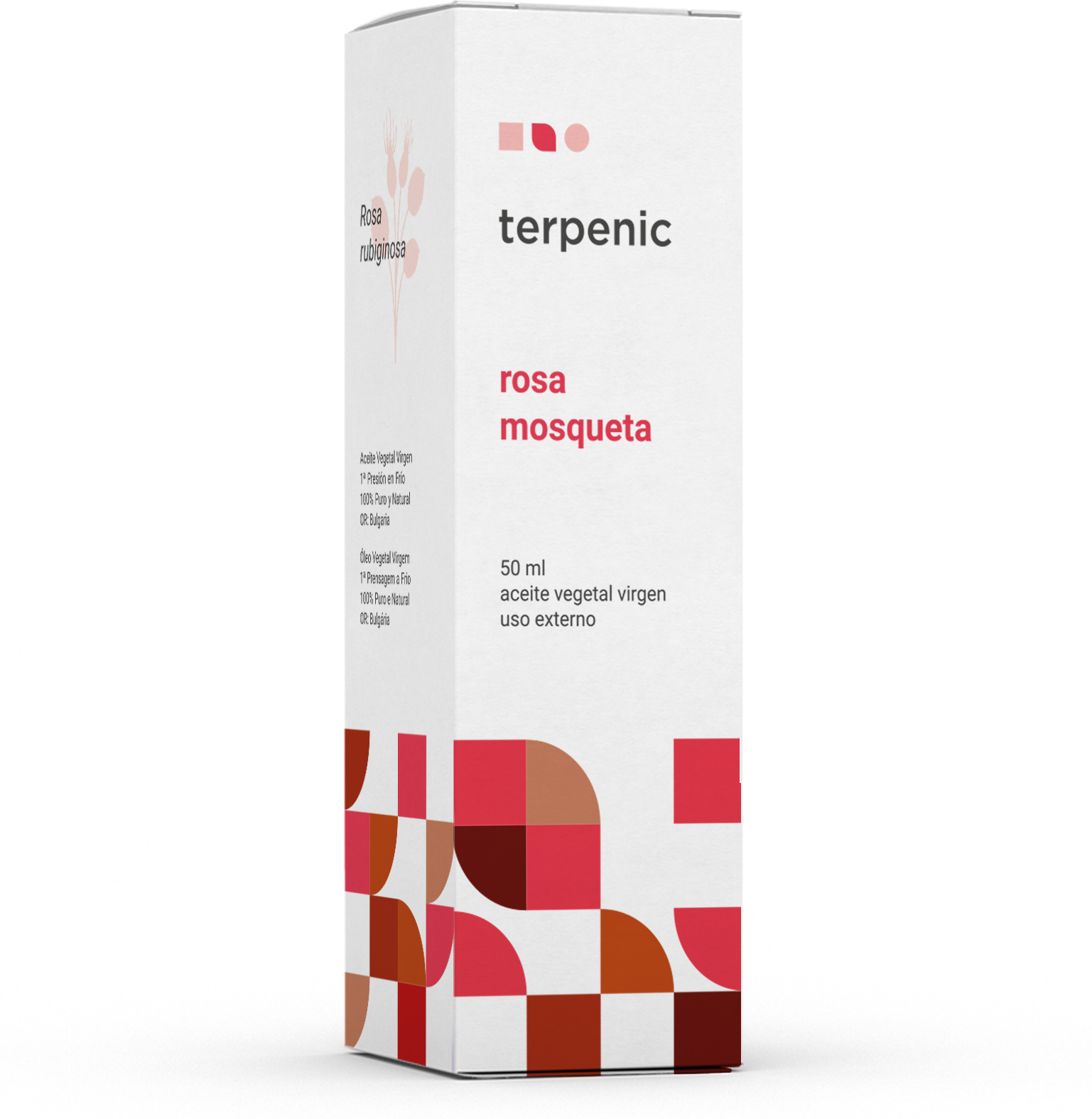
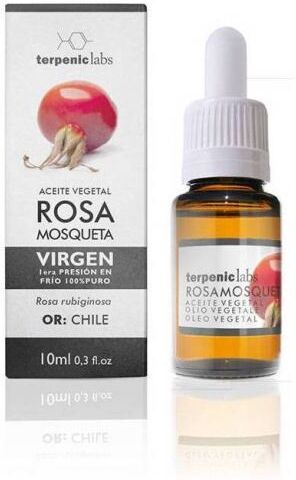
Similar search terms for Terpenic-Rosehip-Vegetable-Oil
Top-Angebote
Products related to Terpenic-Rosehip-Vegetable-Oil:
-
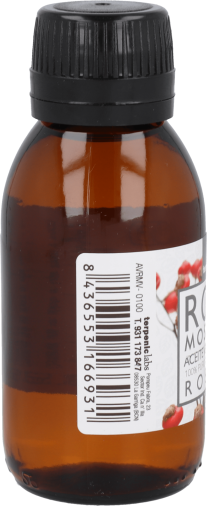
Terpenic Lab Rosehip Vegetable Oil 30 mlHealth and Beauty Creams Terpenic Lab Rosehip Vegetable Oil 30 ml Terpenic Labs Rosehip Oil has been selected for its high content of polyunsaturated fatty acids, especially linoleic and linolenic acids (over 75%). These fatty acids, which our bodies cannot produce, are absorbed through the skin and are essential in the biochemical processes related to tissue regeneration and the synthesis of new cells. Rosehip oil is indicated for dry, dehydrated or aged skin. It is suitable for the specific care of sensitive areas such as eyelids, the eye contour or areas close to mucous membranes. It can be applied as a preventative measure against wrinkles and to nourish, moisturize, and protect the skin from premature aging. It is also used in formulations for the treatment of burns, eczema, and scars.15,72 £*Shipping: 3,99 £Secure redirect to the provider
-
Terpenic Lab Rosehip Vegetable Oil 100 mlHealth and Beauty Creams Terpenic Lab Rosehip Vegetable Oil 100 ml Terpenic Labs Rosehip Oil has been selected for its high content of polyunsaturated fatty acids, especially linoleic and linolenic acids (over 75%). These fatty acids, which our bodies cannot produce, are absorbed through the skin and are essential in the biochemical processes related to tissue regeneration and the synthesis of new cells. Rosehip oil is indicated for dry, dehydrated or aged skin. It is suitable for the specific care of sensitive areas such as eyelids, the eye contour or areas close to mucous membranes. It can be applied as a preventative measure against wrinkles and to nourish, moisturize, and protect the skin from premature aging. It is also used in formulations for the treatment of burns, eczema, and scars.22,41 £*Shipping: 3,99 £Secure redirect to the provider
-
Terpenic Lab Rosehip Oil 100 mlHealth and Beauty Creams Terpenic Lab Rosehip Oil 100 ml It has a high content of essential fatty acids with a high level of unsaturation, highlighting Alpha-linolenic Acid and Linoleic Acid. In addition to the high level of omega 6 and omega 3, we find high levels of regenerative substances and fat-soluble antioxidants such as vitamin E and carotenoids. It is an oil with high skin penetration. It prevents and treats the signs of aging, among other activities, and also stimulates cell renewal, making it a choice in formulations for scars and other skin marks. Improves dermal cellular nutrition and internal hydration, improving microcirculation. Restores skin elasticity and tone. Uses and applications External use Especially indicated for: anti-wrinkle treatment, photoaging for mature skin. Also suitable for burns, scars and marks, and superficial skin lesions. Widely used in medical-aesthetic formulations and facial and body serums. Fast-absorbing, it protects the skin, leaving it feeling pleasantly soft and smooth. Suitable for lotions, balms, face creams, body lotions, and lip balms. Example of elaboration 1. Pigment spots: Mix equal parts Castor Oil and Rosehip Oil, apply a drop of the mixture on the spot with a gentle massage until absorbed once a day, preferably at night. Use high protection sunscreen all year round during the day. Note: Not to be confused with Rose essential oil.21,94 £*Shipping: 3,99 £Secure redirect to the provider
-
Terpenic Lab Rosehip Oil 30 mlHealth and Beauty Creams Terpenic Lab Rosehip Oil 30 ml It has a high content of essential fatty acids with a high level of unsaturation, highlighting Alpha-linolenic Acid and Linoleic Acid. In addition to the high level of omega 6 and omega 3, we find high levels of regenerative substances and fat-soluble antioxidants such as vitamin E and carotenoids. It is an oil with high skin penetration. It prevents and treats the signs of aging, among other activities, and also stimulates cell renewal, making it a choice in formulations for scars and other skin marks. Improves dermal cellular nutrition and internal hydration, improving microcirculation. Restores skin elasticity and tone. Uses and applications External use Especially indicated for: anti-wrinkle treatment, photoaging for mature skin. Also suitable for burns, scars and marks, and superficial skin lesions. Widely used in medical-aesthetic formulations and facial and body serums. Fast-absorbing, it protects the skin, leaving it feeling pleasantly soft and smooth. Suitable for lotions, balms, face creams, body lotions, and lip balms. Example of elaboration 1. Pigment spots: Mix equal parts Castor Oil and Rosehip Oil, apply a drop of the mixture on the spot with a gentle massage until absorbed once a day, preferably at night. Use high protection sunscreen all year round during the day. Note: Not to be confused with Rose essential oil.10,95 £*Shipping: 3,99 £Secure redirect to the provider
-
What experiences are there with rosehip oil for the face?
Many people have reported positive experiences with using rosehip oil for the face. It is known for its hydrating and nourishing properties, and can help improve the appearance of scars, fine lines, and wrinkles. Additionally, rosehip oil is rich in antioxidants and vitamins, which can help protect the skin from environmental damage and promote a more radiant complexion. However, it's important to note that everyone's skin is different, so it's best to do a patch test before using rosehip oil on the face to ensure it doesn't cause any adverse reactions. **
-
What is the difference between cooking oil and vegetable oil?
Cooking oil is a broad term that refers to any oil used in cooking, including vegetable oil. Vegetable oil specifically refers to oils that are derived from plants, such as soybean, corn, canola, or sunflower oil. While all vegetable oils are considered cooking oils, not all cooking oils are necessarily vegetable oils, as some may be derived from animal fats or other sources. **
-
What are the differences between crude oil and vegetable oil?
Crude oil is a fossil fuel derived from ancient organic matter, while vegetable oil is derived from plants such as soybeans, sunflowers, or olives. Crude oil is primarily used as a source of energy, while vegetable oil is used for cooking, as a food ingredient, and in the production of biofuels. Crude oil is a non-renewable resource, while vegetable oil is renewable and can be sustainably produced. Additionally, crude oil is a complex mixture of hydrocarbons, while vegetable oil is primarily composed of triglycerides. **
-
What is the chemical difference between mineral oil and vegetable oil?
The main chemical difference between mineral oil and vegetable oil lies in their composition. Mineral oil is a byproduct of petroleum refining and is composed of hydrocarbons, while vegetable oil is derived from plants and is composed of triglycerides. This difference in composition also affects their properties, with mineral oil being more stable and less prone to oxidation compared to vegetable oil. Additionally, mineral oil is odorless and tasteless, while vegetable oil may have a distinct flavor and aroma. **

Can regular vegetable oil be used for frying?
Yes, regular vegetable oil can be used for frying. It has a high smoke point, which means it can withstand the high temperatures needed for frying without breaking down and producing harmful compounds. However, it's important to monitor the temperature while frying and avoid overheating the oil, as this can cause it to break down and become less healthy. Additionally, it's important to use fresh oil for frying, as oil that has been used multiple times can become degraded and less suitable for frying. **
What is the boiling point of vegetable oil?
The boiling point of vegetable oil can vary depending on the specific type of oil. However, in general, the boiling point of most vegetable oils is around 400-450°F (204-232°C). This high boiling point makes vegetable oil suitable for frying and other high-temperature cooking methods. **
Top-Angebote
Products related to Terpenic-Rosehip-Vegetable-Oil:
-
Terpenic Rosehip Vegetable Oil 50 mlHealth and Beauty Serums Terpenic Rosehip Vegetable Oil 50 ml What is Terpenic Rosehip Vegetable Oil 50ml? Terpenic Rosehip Oil 50ml is a 100% pure oil, obtained by first cold pressing the seeds of the Rosa rubiginosa shrub, native to Chile. This vegetable oil is known for its high content of essential fatty acids (omega 3, 6, and 9), natural antioxidants, and vitamin A, making it a powerful natural regenerator and healing agent. Certified organic, this product is free of pesticides, dyes, perfumes, and preservatives, making it ideal for sensitive or reactive skin. Continued use noticeably improves skin texture, reduces wrinkles, prevents premature aging, and helps diminish blemishes and scars. Who is it for? This vegetable oil is perfect for anyone looking for an intensive, natural skin treatment, especially in cases where skin regeneration is needed. People with recent or old scars, surgical or from acne. Those who wish to prevent or treat stretch marks during pregnancy or due to weight changes. Mature skin in need of deep nourishment and anti-aging. Dry skin, damaged by the sun or exposed to extreme conditions. People interested in natural and organic cosmetics without chemical additives. How do I apply it? Terpenic Rosehip Vegetable Oil 50ml is very easy to use and adapts to various facial and body care routines. Apply directly to clean skin, massaging gently until fully absorbed. Use preferably at night, as it is photosensitive and daytime use may cause spots. It can be mixed with creams, lotions, or essential oils to enhance its effect. On the face, apply a few drops as an anti-aging serum before moisturizer. On scars or specific areas, apply twice a day for at least 8 weeks. Product use. This vegetable oil is known for its many therapeutic and cosmetic applications. It has become an essential ingredient in natural skincare. Intensive cell regeneration for scars and stretch marks. Anti-wrinkle and expression line treatment. Deep nourishment for dry or flaky skin. Prevention of skin blemishes and unification of skin tone. Improves skin elasticity and firmness. Buy Terpenic Rosehip Vegetable Oil 50ml Buying Terpenic Rosehip Oil 50ml is an excellent choice for those who want to care for their skin with high-quality ingredients and visible results. By choosing this oil, you benefit from a 100% natural, organic, and environmentally friendly product. Certified organic and without added chemicals. Vegan product and not tested on animals. Highly effective in the treatment of scars, blemishes, and aging. Suitable for all skin types, even the most delicate. Versatility in its use on face, body and as a cosmetic ingredient. Make Terpenic Rosehip Vegetable Oil 50ml an essential part of your daily routine and discover the benefits of truly natural and regenerating skin care.11,12 £*Shipping: 3,99 £Secure redirect to the provider
-
Terpenic Lab Rosehip Vegetable Oil 10 mlHealth and Beauty Creams Terpenic Lab Rosehip Vegetable Oil 10 ml 1st cold pressing. Acne, skin shine and smoothness, old or recent scars, eczema, psoriasis, sunburn, dry skin, burns and ulcers. Stimulates cell renewal, ideal for scars and skin blemishes. Restores skin elasticity and tone. Rosehip oil is obtained by cold-pressing the seeds of a plant belonging to the Rosaceae family: the wild rose or Rosa rubiginosa. It is mostly obtained from Chile and Europe. characteristic properties Lipid profile: Palmitic acid (C 16:0): 3- 8% Oleic acid (C 18:1): 12 – 16% Linoleic acid (C 18:2): 41 – 52% Linolenic acid (C18:3): 25 – 40% It has a high content of essential fatty acids with a high level of unsaturation, highlighting Alpha Linolenic Acid and Linoleic Acid. In addition to the high levels of omega 6 and omega 3, we find high levels of regenerative substances and fat-soluble antioxidants such as vitamin E and carotenoids. It is a highly penetrating oil. It prevents and treats signs of aging, among other benefits, and stimulates cell renewal, making it an ideal choice in formulations for scars and other skin blemishes. It improves dermal cell nutrition and internal hydration by enhancing microcirculation. It restores skin elasticity and tone. Uses and applications External use Especially indicated for: anti-wrinkle treatments, photoaging for mature skin. Also for burns, scars and marks, and superficial skin lesions. Widely used in medical-aesthetic formulations and facial and body serums. It absorbs quickly, protecting the skin and leaving it feeling pleasantly soft and smooth. Suitable for lotions, balms, face creams, body lotions, and lip balms. Example of preparation 1. Pigment spots: Mix equal parts Castor Oil and Rosehip Oil, apply a drop of the mixture to the spot with a gentle massage until absorbed once a day, preferably at night. Use high protection sunscreen all year round during the day. Note: Do not confuse with rose essential oil.6,95 £*Shipping: 3,99 £Secure redirect to the provider
-
Terpenic Lab Rosehip Vegetable Oil 30 mlHealth and Beauty Creams Terpenic Lab Rosehip Vegetable Oil 30 ml Terpenic Labs Rosehip Oil has been selected for its high content of polyunsaturated fatty acids, especially linoleic and linolenic acids (over 75%). These fatty acids, which our bodies cannot produce, are absorbed through the skin and are essential in the biochemical processes related to tissue regeneration and the synthesis of new cells. Rosehip oil is indicated for dry, dehydrated or aged skin. It is suitable for the specific care of sensitive areas such as eyelids, the eye contour or areas close to mucous membranes. It can be applied as a preventative measure against wrinkles and to nourish, moisturize, and protect the skin from premature aging. It is also used in formulations for the treatment of burns, eczema, and scars.15,72 £*Shipping: 3,99 £Secure redirect to the provider
-
Terpenic Lab Rosehip Vegetable Oil 100 mlHealth and Beauty Creams Terpenic Lab Rosehip Vegetable Oil 100 ml Terpenic Labs Rosehip Oil has been selected for its high content of polyunsaturated fatty acids, especially linoleic and linolenic acids (over 75%). These fatty acids, which our bodies cannot produce, are absorbed through the skin and are essential in the biochemical processes related to tissue regeneration and the synthesis of new cells. Rosehip oil is indicated for dry, dehydrated or aged skin. It is suitable for the specific care of sensitive areas such as eyelids, the eye contour or areas close to mucous membranes. It can be applied as a preventative measure against wrinkles and to nourish, moisturize, and protect the skin from premature aging. It is also used in formulations for the treatment of burns, eczema, and scars.22,41 £*Shipping: 3,99 £Secure redirect to the provider
-
Is sunflower oil a vegetable oil?
Yes, sunflower oil is a type of vegetable oil. It is extracted from the seeds of the sunflower plant and is commonly used for cooking and frying. Like other vegetable oils, sunflower oil is high in unsaturated fats and low in saturated fats, making it a healthier option for cooking. **
-
Can vegetable oil evaporate?
Yes, vegetable oil can evaporate. Evaporation is the process by which a liquid turns into a gas, and this can occur with vegetable oil when it is exposed to heat. When vegetable oil is heated, the molecules gain energy and move more quickly, eventually reaching a point where they break free from the liquid and become a gas. This process is similar to the evaporation of water, but it occurs at a higher temperature due to the different chemical properties of vegetable oil. **
-
What experiences are there with rosehip oil for the face?
Many people have reported positive experiences with using rosehip oil for the face. It is known for its hydrating and nourishing properties, and can help improve the appearance of scars, fine lines, and wrinkles. Additionally, rosehip oil is rich in antioxidants and vitamins, which can help protect the skin from environmental damage and promote a more radiant complexion. However, it's important to note that everyone's skin is different, so it's best to do a patch test before using rosehip oil on the face to ensure it doesn't cause any adverse reactions. **
-
What is the difference between cooking oil and vegetable oil?
Cooking oil is a broad term that refers to any oil used in cooking, including vegetable oil. Vegetable oil specifically refers to oils that are derived from plants, such as soybean, corn, canola, or sunflower oil. While all vegetable oils are considered cooking oils, not all cooking oils are necessarily vegetable oils, as some may be derived from animal fats or other sources. **
Similar search terms for Terpenic-Rosehip-Vegetable-Oil
-
Terpenic Lab Rosehip Oil 100 mlHealth and Beauty Creams Terpenic Lab Rosehip Oil 100 ml It has a high content of essential fatty acids with a high level of unsaturation, highlighting Alpha-linolenic Acid and Linoleic Acid. In addition to the high level of omega 6 and omega 3, we find high levels of regenerative substances and fat-soluble antioxidants such as vitamin E and carotenoids. It is an oil with high skin penetration. It prevents and treats the signs of aging, among other activities, and also stimulates cell renewal, making it a choice in formulations for scars and other skin marks. Improves dermal cellular nutrition and internal hydration, improving microcirculation. Restores skin elasticity and tone. Uses and applications External use Especially indicated for: anti-wrinkle treatment, photoaging for mature skin. Also suitable for burns, scars and marks, and superficial skin lesions. Widely used in medical-aesthetic formulations and facial and body serums. Fast-absorbing, it protects the skin, leaving it feeling pleasantly soft and smooth. Suitable for lotions, balms, face creams, body lotions, and lip balms. Example of elaboration 1. Pigment spots: Mix equal parts Castor Oil and Rosehip Oil, apply a drop of the mixture on the spot with a gentle massage until absorbed once a day, preferably at night. Use high protection sunscreen all year round during the day. Note: Not to be confused with Rose essential oil.21,94 £*Shipping: 3,99 £Secure redirect to the provider
-
Terpenic Lab Rosehip Oil 30 mlHealth and Beauty Creams Terpenic Lab Rosehip Oil 30 ml It has a high content of essential fatty acids with a high level of unsaturation, highlighting Alpha-linolenic Acid and Linoleic Acid. In addition to the high level of omega 6 and omega 3, we find high levels of regenerative substances and fat-soluble antioxidants such as vitamin E and carotenoids. It is an oil with high skin penetration. It prevents and treats the signs of aging, among other activities, and also stimulates cell renewal, making it a choice in formulations for scars and other skin marks. Improves dermal cellular nutrition and internal hydration, improving microcirculation. Restores skin elasticity and tone. Uses and applications External use Especially indicated for: anti-wrinkle treatment, photoaging for mature skin. Also suitable for burns, scars and marks, and superficial skin lesions. Widely used in medical-aesthetic formulations and facial and body serums. Fast-absorbing, it protects the skin, leaving it feeling pleasantly soft and smooth. Suitable for lotions, balms, face creams, body lotions, and lip balms. Example of elaboration 1. Pigment spots: Mix equal parts Castor Oil and Rosehip Oil, apply a drop of the mixture on the spot with a gentle massage until absorbed once a day, preferably at night. Use high protection sunscreen all year round during the day. Note: Not to be confused with Rose essential oil.10,95 £*Shipping: 3,99 £Secure redirect to the provider
-
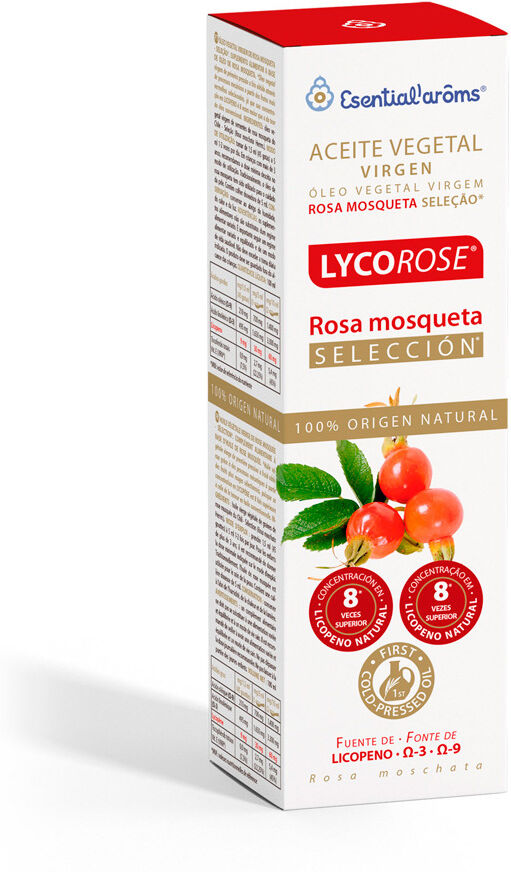
Esential'arôms Rosehip Vegetable Oil 100 mlHealth and Beauty Creams Esential'arôms Rosehip Vegetable Oil 100 ml Mechanically made from the selected reddest fruits This results in a highly valuable vegetable oil with a lycopene content 8 times higher than normal rosehip vegetable oil. It is a dietary supplement that also24,42 £*Shipping: 3,99 £Secure redirect to the provider
-
Pranarom Rosehip Vegetable Oil 50 mlHealth and Beauty Creams Pranarom Rosehip Vegetable Oil 50 ml Obtained by first cold-pressing rosehip seeds. The anti-aging product. Rosehip is a classic essential oil for the skin and the entire body. This precious oil, rich in omega-3, has a beautiful orange color due to the vitamins it contains. It promotes skin regeneration and has a lifting effect. Rosehip is a flower with surprising virtues that grows wild, but should not be confused with the roses from which essential oil is obtained. The seed of this rose, similar to hawthorn, provides a valuable vegetable oil with healing properties and is very active in combating the signs of time. Dosage: 10 g (1 tablespoon) per day. Tips: • Suitable for all skin types. • Combats aging. • It is used in a day or night cream, moisturizing and nourishing (apply 15 minutes before makeup or before going to bed). Tips & Tricks: • Stress: A diet rich in omega-3 essential fatty acids significantly increases the brain's production of neurotransmitters that promote energy and good mood. On an emotional level, studies suggest that symptoms of depression can be alleviated with a supplemental intake of omega-3 fatty acids. Add 1 teaspoon of rosehip oil per person to dressings. Treatment with rosehip capsules is also possible. Precautions: • Do not exceed the recommended dose. • Keep out of reach of small children. • It is advisable to follow a varied and balanced diet and lead a healthy lifestyle. • Keep away from all sources of heat and light. • Once opened, consume within 3 months. Note: This is a particularly active oil, which can be mixed with other vegetable oils on overly reactive skin. It may leave stains on delicate fabrics.13,38 £*Shipping: 3,99 £Secure redirect to the provider
-
What are the differences between crude oil and vegetable oil?
Crude oil is a fossil fuel derived from ancient organic matter, while vegetable oil is derived from plants such as soybeans, sunflowers, or olives. Crude oil is primarily used as a source of energy, while vegetable oil is used for cooking, as a food ingredient, and in the production of biofuels. Crude oil is a non-renewable resource, while vegetable oil is renewable and can be sustainably produced. Additionally, crude oil is a complex mixture of hydrocarbons, while vegetable oil is primarily composed of triglycerides. **
-
What is the chemical difference between mineral oil and vegetable oil?
The main chemical difference between mineral oil and vegetable oil lies in their composition. Mineral oil is a byproduct of petroleum refining and is composed of hydrocarbons, while vegetable oil is derived from plants and is composed of triglycerides. This difference in composition also affects their properties, with mineral oil being more stable and less prone to oxidation compared to vegetable oil. Additionally, mineral oil is odorless and tasteless, while vegetable oil may have a distinct flavor and aroma. **
-
Can regular vegetable oil be used for frying?
Yes, regular vegetable oil can be used for frying. It has a high smoke point, which means it can withstand the high temperatures needed for frying without breaking down and producing harmful compounds. However, it's important to monitor the temperature while frying and avoid overheating the oil, as this can cause it to break down and become less healthy. Additionally, it's important to use fresh oil for frying, as oil that has been used multiple times can become degraded and less suitable for frying. **
-
What is the boiling point of vegetable oil?
The boiling point of vegetable oil can vary depending on the specific type of oil. However, in general, the boiling point of most vegetable oils is around 400-450°F (204-232°C). This high boiling point makes vegetable oil suitable for frying and other high-temperature cooking methods. **
* All prices are inclusive of VAT and, if applicable, plus shipping costs. The offer information is based on the details provided by the respective shop and is updated through automated processes. Real-time updates do not occur, so deviations can occur in individual cases. ** Note: Parts of this content were created by AI.