Buy istitutoaltierospinelli.eu ?
We are moving the project
istitutoaltierospinelli.eu .
Are you interested in purchasing the domain
istitutoaltierospinelli.eu ?
domain@kv-gmbh.de · 0541-91531010
Buy istitutoaltierospinelli.eu ?
Are LEGO bricks made of thermoplastics or thermosetting plastics?
LEGO bricks are made of thermoplastics. Thermoplastics are a type of plastic that can be melted and reshaped multiple times through heating and cooling processes. This property allows LEGO bricks to be easily assembled and disassembled, making them versatile and reusable for building various structures. **
Why are there no polymerizations among the thermosetting plastics?
Thermosetting plastics do not undergo polymerization because they are already in a fully cured and cross-linked state. This means that the polymer chains are already interconnected and cannot undergo further polymerization. Once thermosetting plastics are molded and cured, they cannot be melted or reshaped like thermoplastics, making them more rigid and durable. This cross-linked structure also gives thermosetting plastics better resistance to heat and chemicals compared to thermoplastics. **

Similar search terms for Thermosetting
Top-Angebote
Products related to Thermosetting:
-
Tiny Tots Teens Trends Drawer Game Early Education Montessori Wooden Pitch Ball Box Preschool Learning Training Toy Drawer Game Early Education Montessori Wooden Pitch Ball Box Preschool Learning Training ToyThis Montessori Wooden Pitch Ball Box Drawer Game is a thoughtfully designed earlyeducation toy that transforms playtime into purposeful learning. Crafted for toddlers and preschoolers, it offers a handson, engaging way to support key developmental...39,97 $*Shipping: 0,00 $Secure redirect to the provider
-
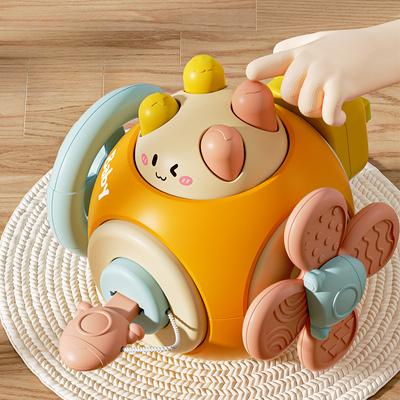
Tiny Tots Teens Trends Montessori Baby Training, Infant Puzzle Early Education Toys, Busy Hand Grasping Ball For Baby Montessori Baby Training, Infant Puzzle Early Education Toys, Busy Hand Grasping Ball For BabyIntroduce Your Baby to the World of Learning The Infant Puzzle Early Education Toys are designed to foster cognitive and physical development in your little one. This Multifunctional Busy Ball for Montessori Baby Training is ideal for enhancing...79,97 $*Shipping: 0,00 $Secure redirect to the provider
-
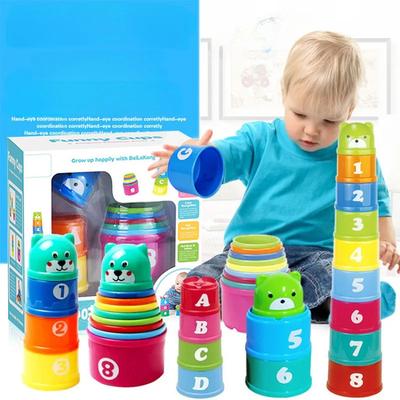
Modern Mode Marketplace Brain Response Battle Cup Set Fun Baby Stack Game For Early Education, Speed And HandEye Coordination Training Brain Response Battle Cup Set Fun Baby Stack Game For Early Education, Speed And HandEye Coordination TrainingUnlock your child's potential with the Brain Response Battle Cup Set! Perfect for young learners, this exciting game combines fun and education to develop handeye coordination and response speed. Ideal for babies and toddlers, it helps improve...29,97 $*Shipping: 0,00 $Secure redirect to the provider

-
Are thermosetting plastics such as phenolic resins Pertinax and Bakelite toxic?
Thermosetting plastics such as phenolic resins, Pertinax, and Bakelite are generally considered to be non-toxic. These plastics are known for their heat resistance, durability, and electrical insulation properties, making them commonly used in various applications. However, like with any material, proper handling and disposal practices should be followed to prevent any potential environmental or health risks. **
-
Do thermosetting plastics have monomers with more than 2 binding sites?
Yes, thermosetting plastics have monomers with more than 2 binding sites. These monomers have the ability to form cross-linked networks, which makes the resulting plastic material rigid and heat-resistant. The presence of multiple binding sites allows for the formation of strong covalent bonds between the monomers, leading to the irreversible cross-linking characteristic of thermosetting plastics. Examples of such monomers include formaldehyde, phenol, and urea. **
-
How exactly does compression molding work, can thermosetting plastics become liquid?
Compression molding is a manufacturing process in which a heated and softened material, such as thermosetting plastics, is placed into a mold cavity. The material is then compressed under high pressure until it takes the shape of the mold. The pressure and heat applied help the material to flow and fill the mold, resulting in the desired shape and size of the final product. Thermosetting plastics can become soft and malleable when heated, but they do not become liquid like thermoplastic materials. Instead, they undergo a chemical reaction when heated, which causes them to harden and become rigid once cooled. This property makes thermosetting plastics ideal for compression molding, as they can be molded into complex shapes and retain their form once cooled. **
-
Are thermosetting plastics such as phenolic resins like Pertinax and Bakelite toxic?
Thermosetting plastics such as phenolic resins like Pertinax and Bakelite are generally considered to be non-toxic. These plastics are commonly used in food and beverage packaging, electrical insulation, and various other consumer products. However, it is important to note that the production and disposal of these plastics can release harmful chemicals and pollutants into the environment, which can have negative health effects. Therefore, it is important to handle and dispose of thermosetting plastics properly to minimize any potential environmental and health risks. **
What are plastics? What are the differences between thermoplastics and thermosetting plastics?
Plastics are synthetic materials made from polymers, which are long chains of molecules. They are lightweight, durable, and can be molded into various shapes, making them ideal for a wide range of applications. The main difference between thermoplastics and thermosetting plastics lies in their response to heat. Thermoplastics can be melted and reshaped multiple times without undergoing any chemical change, while thermosetting plastics undergo a chemical reaction when heated and cannot be reshaped once they have been set. This means that thermoplastics are recyclable, while thermosetting plastics are not. **
Why does a thermosetting plastic (Duroplast) form after a polycondensation or polymerization?
A thermosetting plastic, such as Duroplast, forms after polycondensation or polymerization because of the cross-linking of polymer chains. During polycondensation or polymerization, the monomers undergo chemical reactions to form long chains of polymers. In the case of thermosetting plastics, these polymer chains are further cross-linked through additional chemical reactions, which create a three-dimensional network structure. This cross-linking makes the material rigid and infusible, giving it its characteristic properties of high heat resistance and dimensional stability. **
Top-Angebote
Products related to Thermosetting:
-
Uplifted Finds Interactive Ring Toss Training System Professional Early Education & Pediatric Fitness Infrastructure Interactive Ring Toss Training System Professional Early Education & Pediatric Fitness InfrastructureCommand ultimate developmental confidence with the Interactive Ring Toss Training System, a highperformance educational solution specifically engineered to act as a comprehensive tool for elite organization and superior technical ergonomics. Built...52,97 $*Shipping: 0,00 $Secure redirect to the provider
-
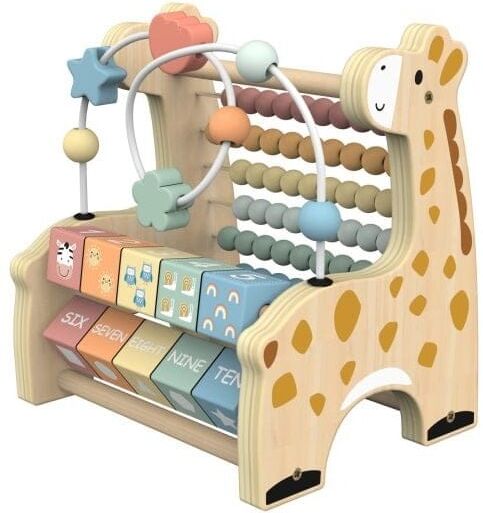
Tooky Toys Wooden Learning Giraffe - Early Education Toy for Babies - Develops Problem-Solving Skills and Hand-Eye CoordinationThe Learning Giraffe is a delightful way for little ones to discover numbers, counting, and colors. Made from smooth, durable wood, this giraffe-shaped learning board combines early education with playful charm. Kids can engage in hands-on activities, such as sliding and stacking numbers, to make math feel approachable and fun. The sturdy, natural materials help develop problem-solving skills and hand-eye coordination. The Learning Giraffe is a gentle guide into the world of numbers, perfect for practicing simple sums and exploring colorful blocks. Tooky Toys has crafted a product that brings the classroom into the playroom in a fun and imaginative way.19,59 £*Shipping: 3,95 £Secure redirect to the provider
-
Tiny Tots Teens Trends Drawer Game Early Education Montessori Wooden Pitch Ball Box Preschool Learning Training Toy Drawer Game Early Education Montessori Wooden Pitch Ball Box Preschool Learning Training ToyThis Montessori Wooden Pitch Ball Box Drawer Game is a thoughtfully designed earlyeducation toy that transforms playtime into purposeful learning. Crafted for toddlers and preschoolers, it offers a handson, engaging way to support key developmental...39,97 $*Shipping: 0,00 $Secure redirect to the provider
-
Tiny Tots Teens Trends Montessori Baby Training, Infant Puzzle Early Education Toys, Busy Hand Grasping Ball For Baby Montessori Baby Training, Infant Puzzle Early Education Toys, Busy Hand Grasping Ball For BabyIntroduce Your Baby to the World of Learning The Infant Puzzle Early Education Toys are designed to foster cognitive and physical development in your little one. This Multifunctional Busy Ball for Montessori Baby Training is ideal for enhancing...79,97 $*Shipping: 0,00 $Secure redirect to the provider
-
Are LEGO bricks made of thermoplastics or thermosetting plastics?
LEGO bricks are made of thermoplastics. Thermoplastics are a type of plastic that can be melted and reshaped multiple times through heating and cooling processes. This property allows LEGO bricks to be easily assembled and disassembled, making them versatile and reusable for building various structures. **
-
Why are there no polymerizations among the thermosetting plastics?
Thermosetting plastics do not undergo polymerization because they are already in a fully cured and cross-linked state. This means that the polymer chains are already interconnected and cannot undergo further polymerization. Once thermosetting plastics are molded and cured, they cannot be melted or reshaped like thermoplastics, making them more rigid and durable. This cross-linked structure also gives thermosetting plastics better resistance to heat and chemicals compared to thermoplastics. **
-
Are thermosetting plastics such as phenolic resins Pertinax and Bakelite toxic?
Thermosetting plastics such as phenolic resins, Pertinax, and Bakelite are generally considered to be non-toxic. These plastics are known for their heat resistance, durability, and electrical insulation properties, making them commonly used in various applications. However, like with any material, proper handling and disposal practices should be followed to prevent any potential environmental or health risks. **
-
Do thermosetting plastics have monomers with more than 2 binding sites?
Yes, thermosetting plastics have monomers with more than 2 binding sites. These monomers have the ability to form cross-linked networks, which makes the resulting plastic material rigid and heat-resistant. The presence of multiple binding sites allows for the formation of strong covalent bonds between the monomers, leading to the irreversible cross-linking characteristic of thermosetting plastics. Examples of such monomers include formaldehyde, phenol, and urea. **
Similar search terms for Thermosetting
-
Modern Mode Marketplace Brain Response Battle Cup Set Fun Baby Stack Game For Early Education, Speed And HandEye Coordination Training Brain Response Battle Cup Set Fun Baby Stack Game For Early Education, Speed And HandEye Coordination TrainingUnlock your child's potential with the Brain Response Battle Cup Set! Perfect for young learners, this exciting game combines fun and education to develop handeye coordination and response speed. Ideal for babies and toddlers, it helps improve...29,97 $*Shipping: 0,00 $Secure redirect to the provider
-
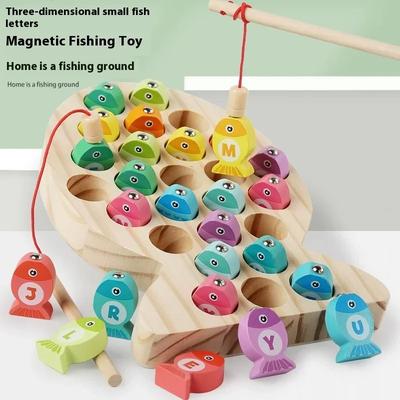
Inspire Select Wooden Montessori Fishing Toy Set Kids Number & Alphabet Learning Game For Early Education Training lettersMake learning fun and interactive with a playful educational experience. This Montessori fishing toy helps children develop essential skills while enjoying handson play. Designed for toddlers and young kids, this wooden learning toy combines...96,97 $*Shipping: 0,00 $Secure redirect to the provider
-
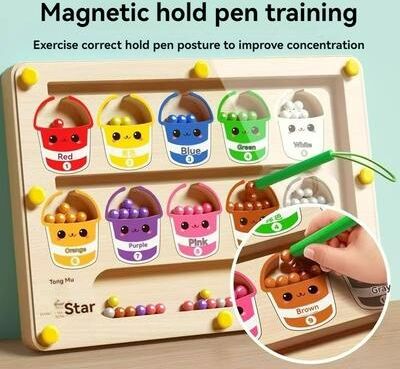
Multisell Products Hub Magnetic Maze Walking Ball, Children's Early Education Puzzle, Baby Concentration And Logic Thinking Training mediumImprove Concentration with Fun Learning: Introducing the Children's Magnetic Maze Walking Ball, an engaging tool that fosters your childs concentration and cognitive skills. This interactive game is designed to help develop logic thinking while...27,97 $*Shipping: 0,00 $Secure redirect to the provider
-
How exactly does compression molding work, can thermosetting plastics become liquid?
Compression molding is a manufacturing process in which a heated and softened material, such as thermosetting plastics, is placed into a mold cavity. The material is then compressed under high pressure until it takes the shape of the mold. The pressure and heat applied help the material to flow and fill the mold, resulting in the desired shape and size of the final product. Thermosetting plastics can become soft and malleable when heated, but they do not become liquid like thermoplastic materials. Instead, they undergo a chemical reaction when heated, which causes them to harden and become rigid once cooled. This property makes thermosetting plastics ideal for compression molding, as they can be molded into complex shapes and retain their form once cooled. **
-
Are thermosetting plastics such as phenolic resins like Pertinax and Bakelite toxic?
Thermosetting plastics such as phenolic resins like Pertinax and Bakelite are generally considered to be non-toxic. These plastics are commonly used in food and beverage packaging, electrical insulation, and various other consumer products. However, it is important to note that the production and disposal of these plastics can release harmful chemicals and pollutants into the environment, which can have negative health effects. Therefore, it is important to handle and dispose of thermosetting plastics properly to minimize any potential environmental and health risks. **
-
What are plastics? What are the differences between thermoplastics and thermosetting plastics?
Plastics are synthetic materials made from polymers, which are long chains of molecules. They are lightweight, durable, and can be molded into various shapes, making them ideal for a wide range of applications. The main difference between thermoplastics and thermosetting plastics lies in their response to heat. Thermoplastics can be melted and reshaped multiple times without undergoing any chemical change, while thermosetting plastics undergo a chemical reaction when heated and cannot be reshaped once they have been set. This means that thermoplastics are recyclable, while thermosetting plastics are not. **
-
Why does a thermosetting plastic (Duroplast) form after a polycondensation or polymerization?
A thermosetting plastic, such as Duroplast, forms after polycondensation or polymerization because of the cross-linking of polymer chains. During polycondensation or polymerization, the monomers undergo chemical reactions to form long chains of polymers. In the case of thermosetting plastics, these polymer chains are further cross-linked through additional chemical reactions, which create a three-dimensional network structure. This cross-linking makes the material rigid and infusible, giving it its characteristic properties of high heat resistance and dimensional stability. **
* All prices are inclusive of VAT and, if applicable, plus shipping costs. The offer information is based on the details provided by the respective shop and is updated through automated processes. Real-time updates do not occur, so deviations can occur in individual cases. ** Note: Parts of this content were created by AI.